5 Things Every Cycle Demo Day Needs
[Resources]
5 Things Every E-bike Demo Day Needs
E-Bike Demo Days: Implementing Active Travel in your workplace
Installing a charger or buying a fleet of e-bikes doesn’t, on its own, change how people travel. We’ve run enough demo days to know exactly what separates an event that shifts behaviour from one that’s just a nice afternoon with bikes. Here are the five ingredients that matter most.
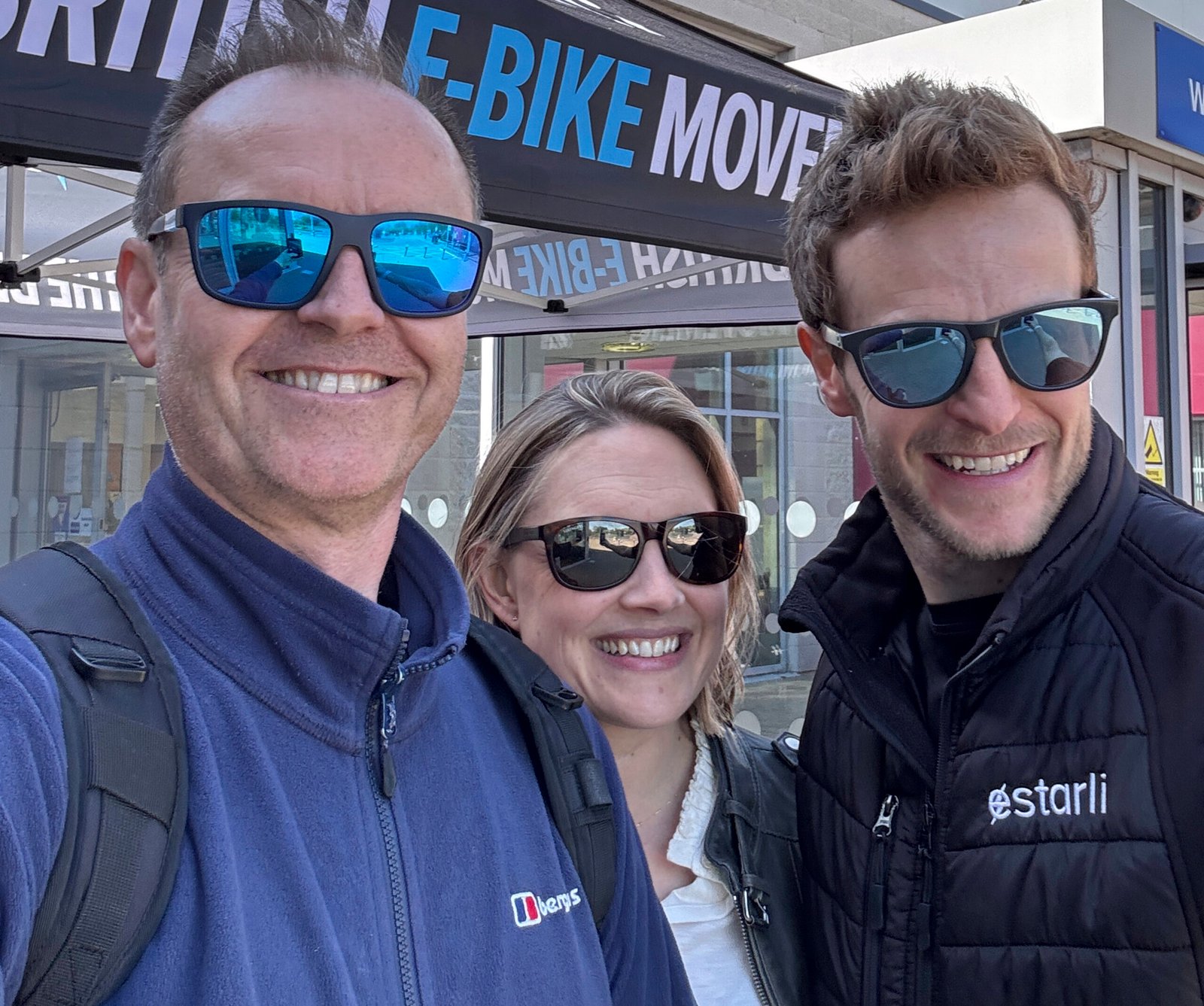
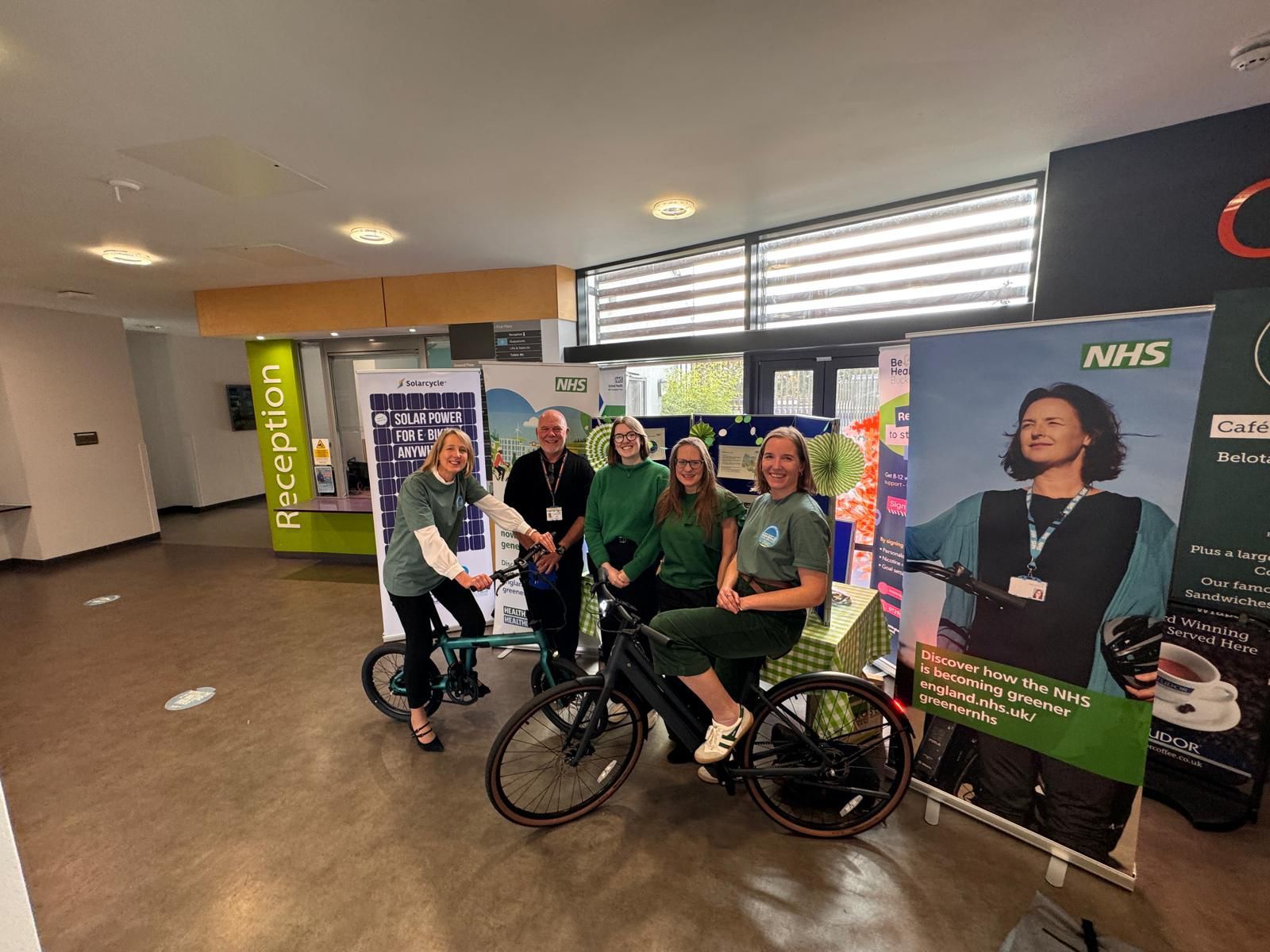
Expert Event staffing
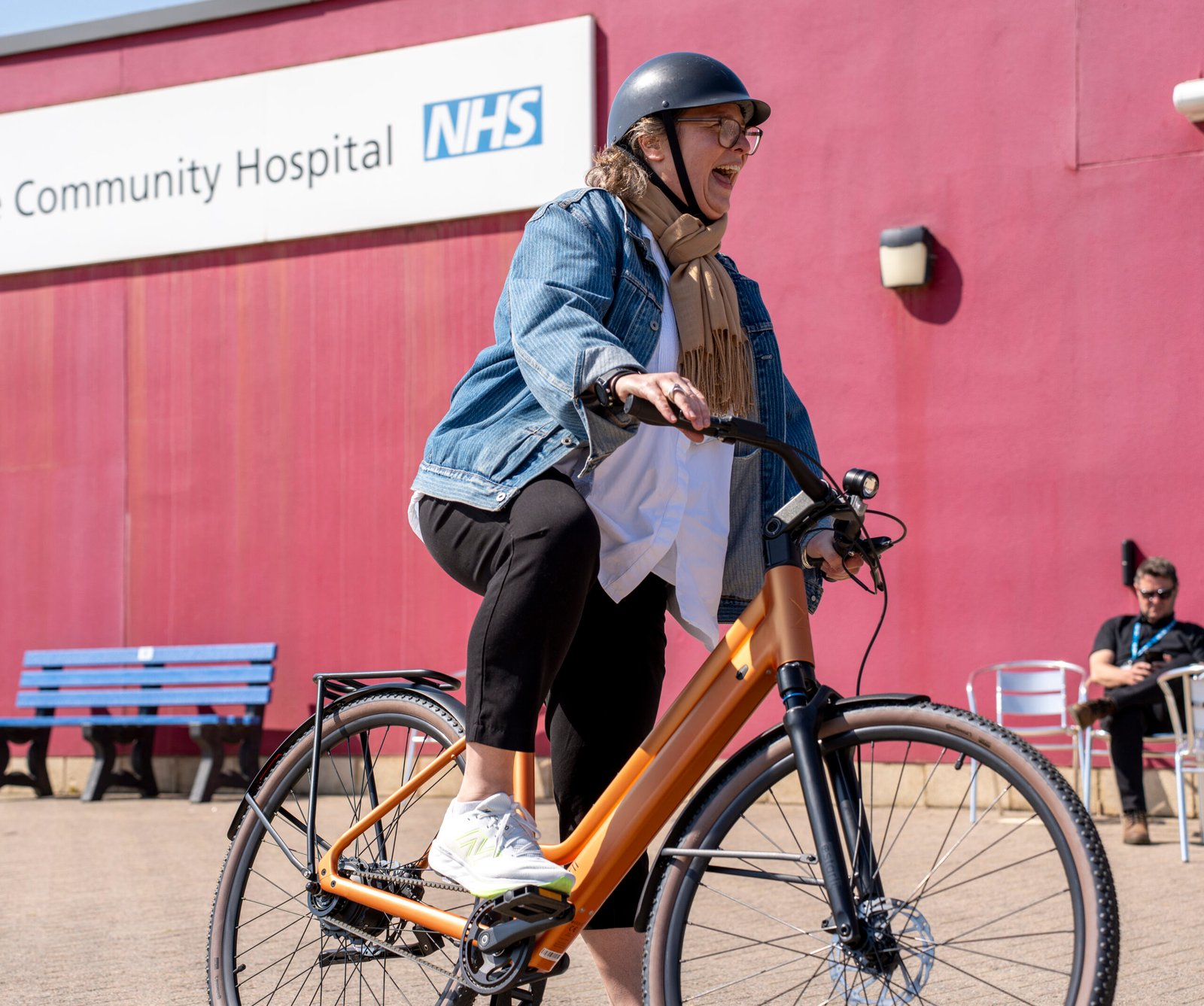
Quality E-bikes
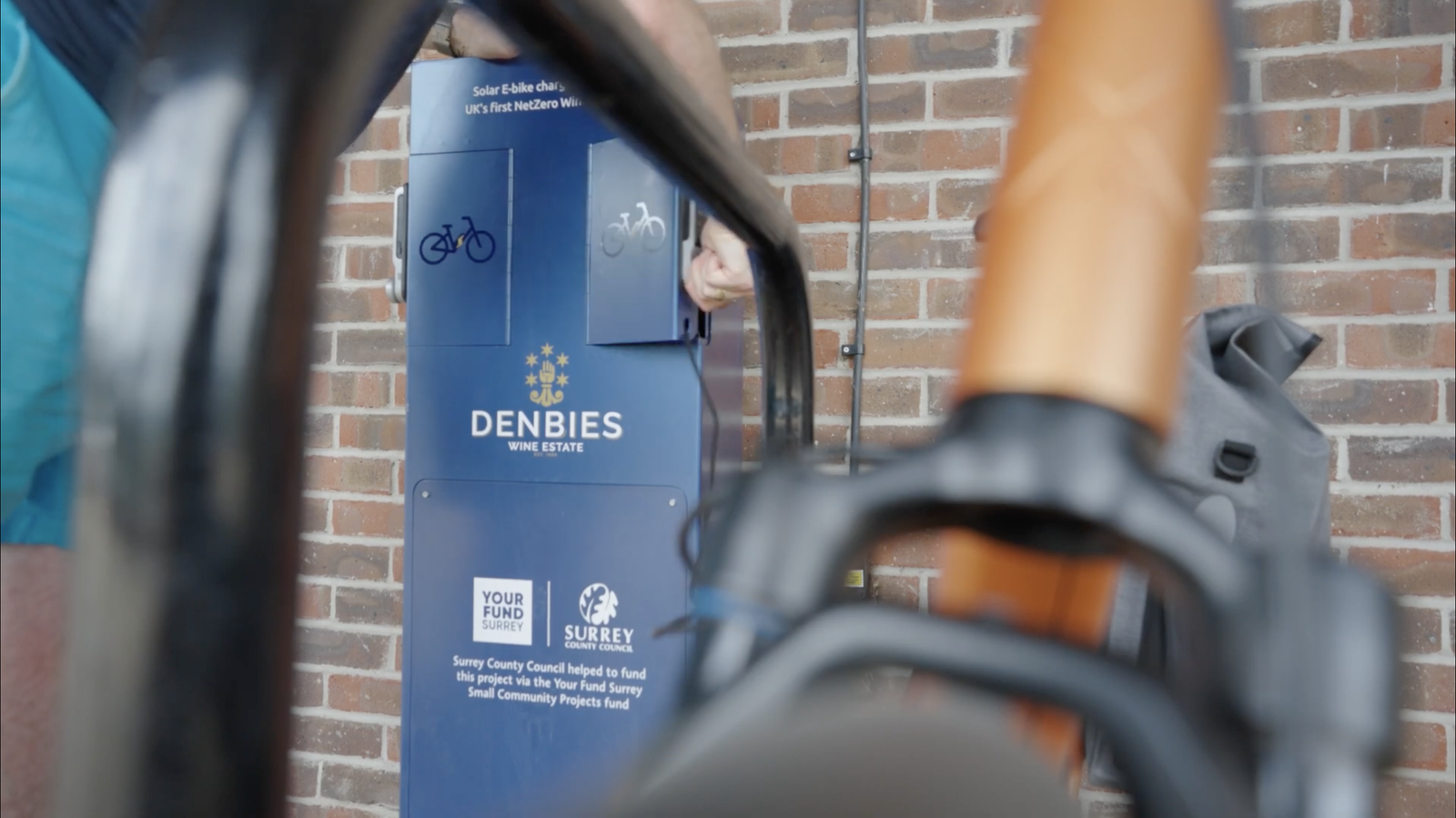
Solar E-bike charges
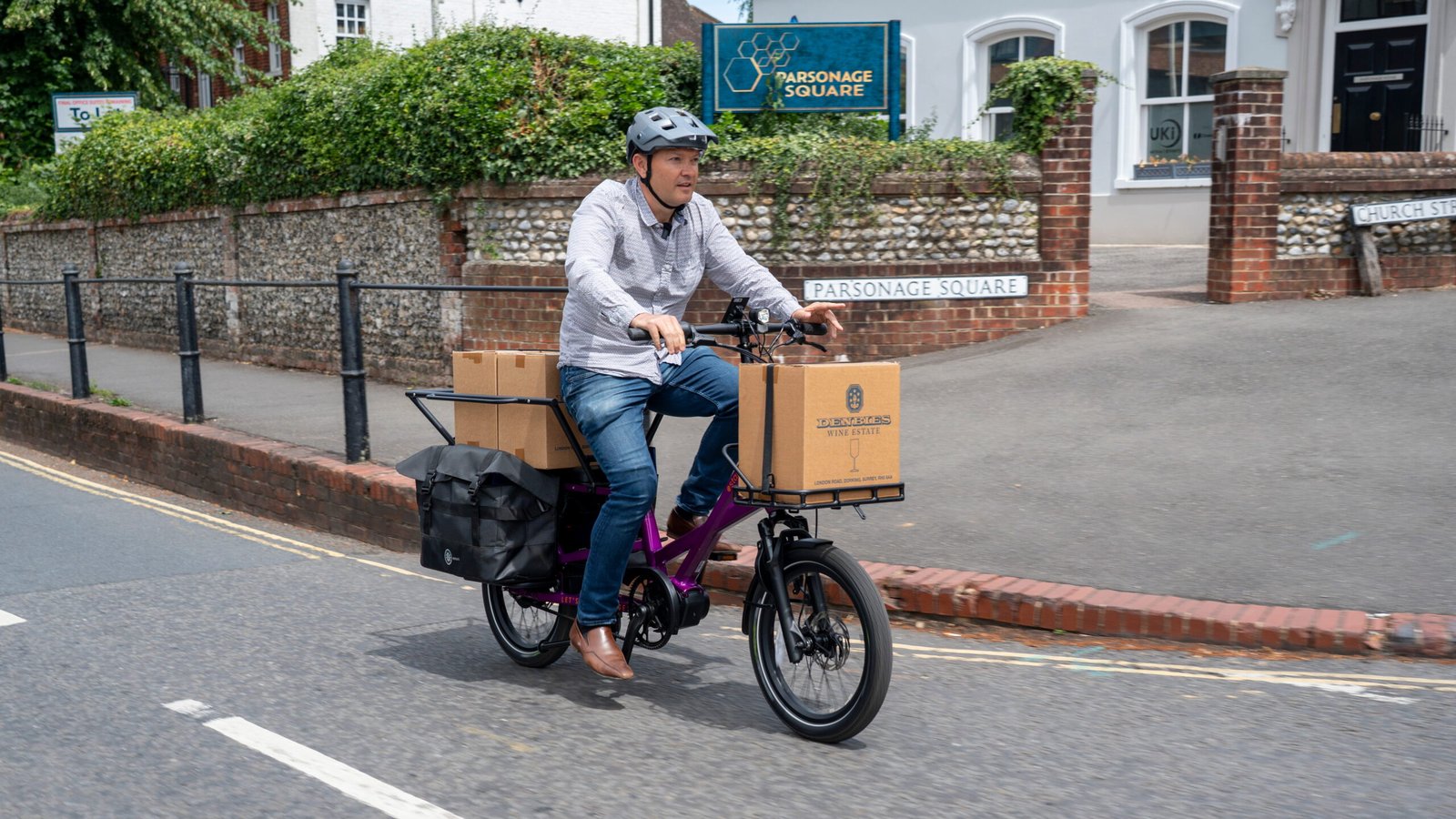
Leadership examples
Want an E-bike Demo Day at your workplace?
1. Exceptional marketing — before, during, and after
A demo day succeeds or fails in the six weeks before it happens.
That means widespread local media coverage through PR and radio, personal invites to key local advocates — council contacts, climate groups, active travel supporters — and extensive onsite and internal promotion. Email marketing should go out to your own engaged database and to partner databases too.
High-quality video matters more than most organisations expect. A pre-event interview with the CEO riding a bike does more to legitimise the day than any poster or email ever will — it shows, from the top, that this is both acceptable and practical. See this example for the Denbies E-bike Demo Day >
2. High-quality, affordable e-bikes with the latest features
Riders need to try machines that reflect what they’d realistically consider buying.
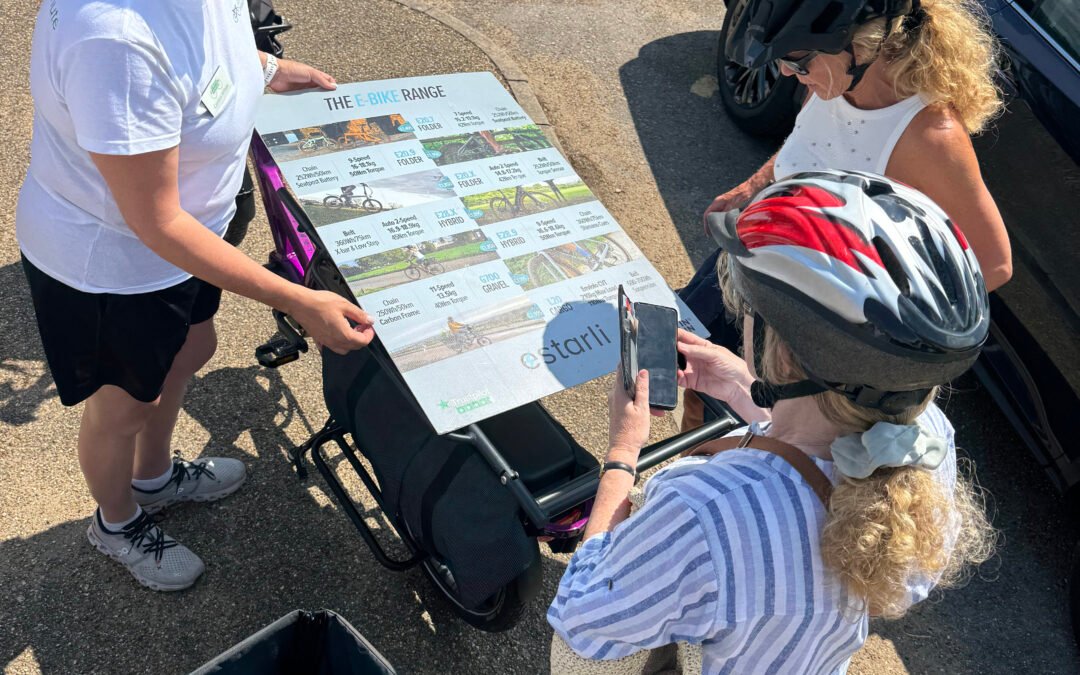
That means automatic gears, integrated lights, and a genuine range of styles — gravel, fold-up, touring — so almost everyone finds something that suits them.
Affordability matters just as much as spec: the bikes on show should map onto what people can plausibly buy through a salary sacrifice scheme, not aspirational kit that prices most riders out from the start.
3. A ‘team’ of experts, who care
No single organisation covers bikes, financing, and behaviour change alone.
Partners who can explain salary sacrifice savings on the day — in person, with real numbers. Turn curiosity into a concrete next step. Pre-printed guides comparing e-bike costs against car ownership give people something to think over. Cost calculation tools help make decsions on the day.
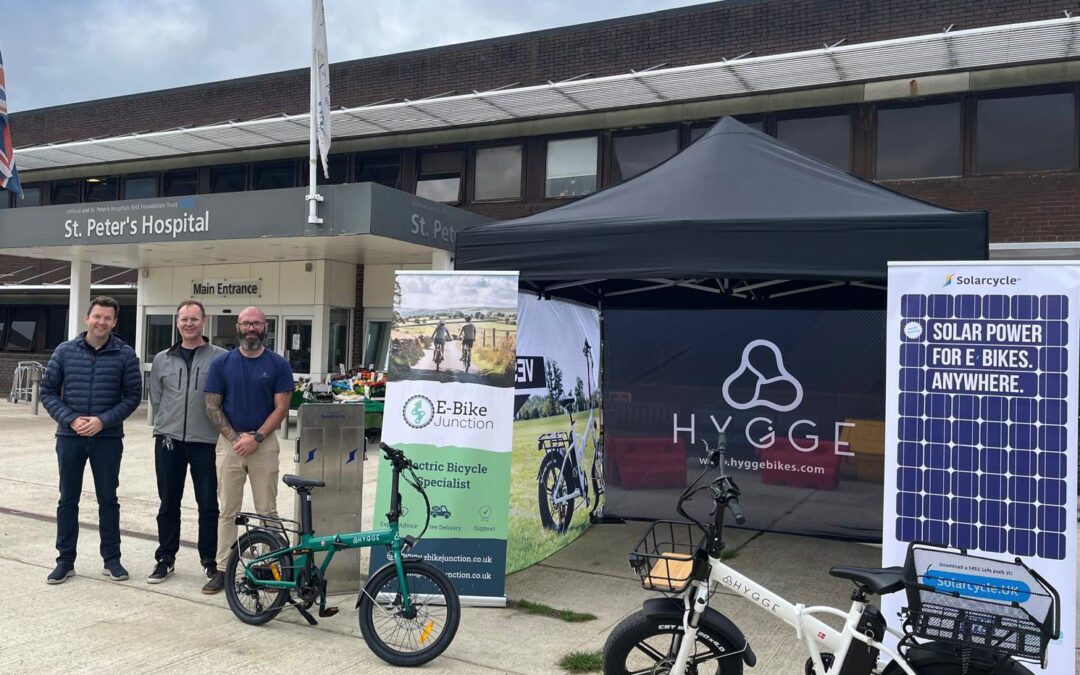
Fire safety and Charging expertise is on-hand with portable solar powered energy provided on the day. This can be used for charging the bikes and screens, and also demonstrating infrastructure options to the facilities and fire safety teams.
4. Proof the organisation is 100% committed to change
A demo day works best as evidence of an existing commitment, not a one-off gesture. That means:
- A solar-powered e-bike charger already installed and actively promoted onsite
- A company Ride2Work scheme already in place
- Climate testing equipment already measuring KPIs like CO2 saved and carbonless miles
Without this groundwork, a demo day risks looking like a PR exercise rather than a genuine step in a longer plan — and staff can tell the difference.
5. Visible management and C-suite support
Staff take their cue from leadership.
A cycling or active travel scheme gains credibility the moment people see senior leaders actually riding — not just endorsing the idea from a distance. A CEO happy to be filmed on a bike ahead of the event tends to do more for staff buy-in than any internal memo.
Seeing it in practice
We put all five of these into action at the Denbies Wine Estate’s demo day, where a purpose-built solar charger was already in place, yet under-utilised. The results: strong test-ride numbers, direct bike sales, and a measurable shift in charger utilisation.
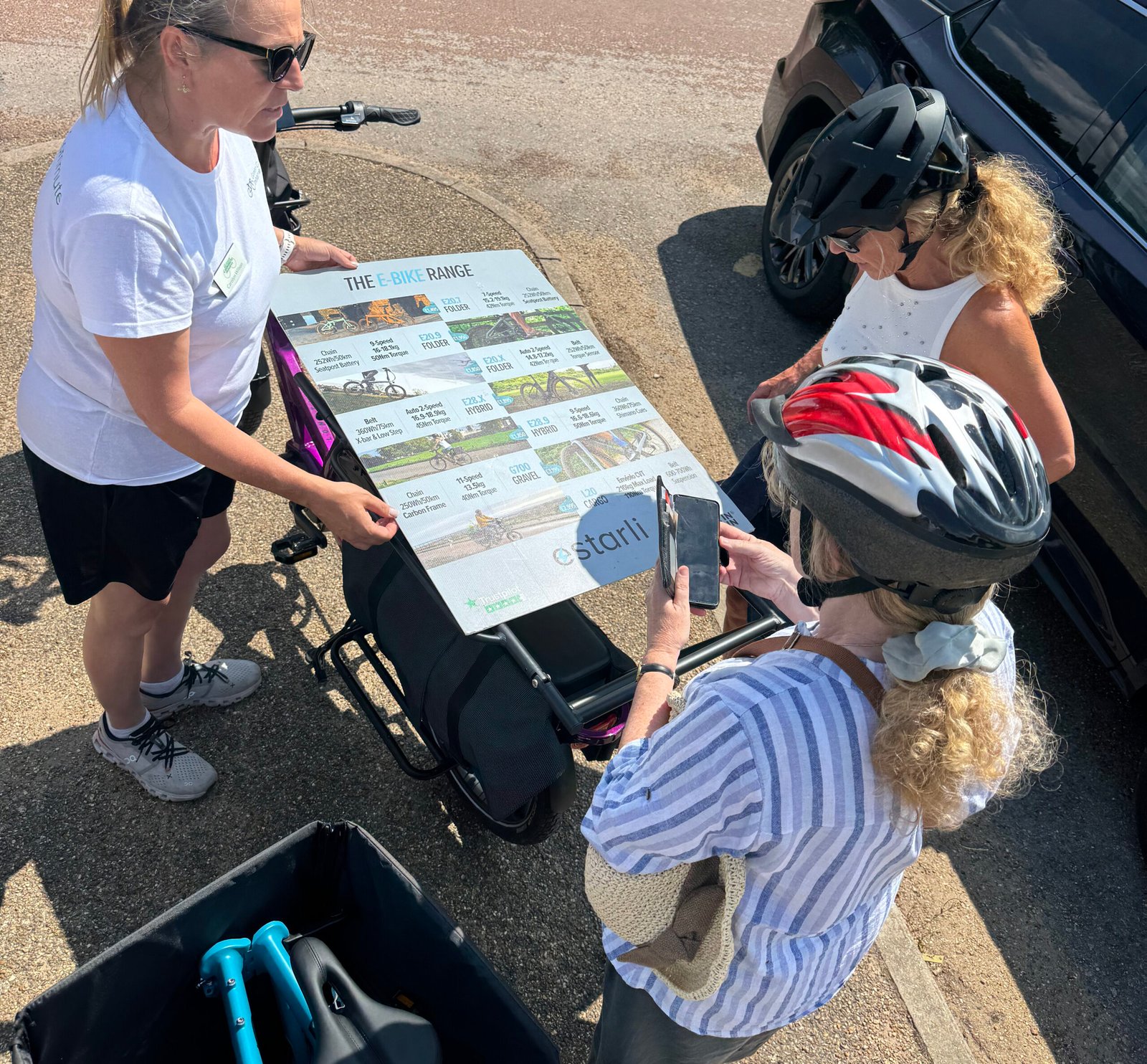
Promoting Demo day
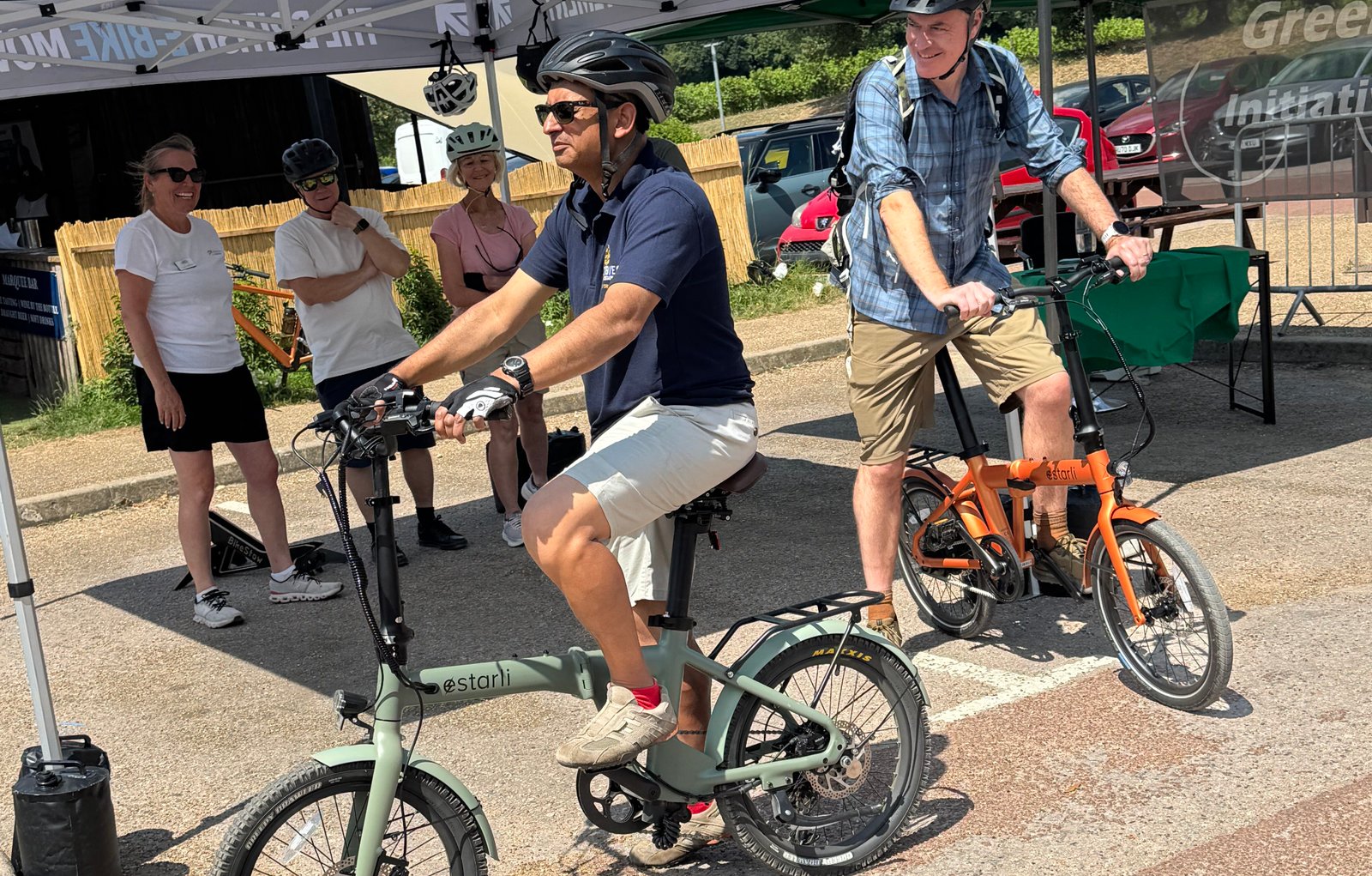
Demo Day E-bike riders
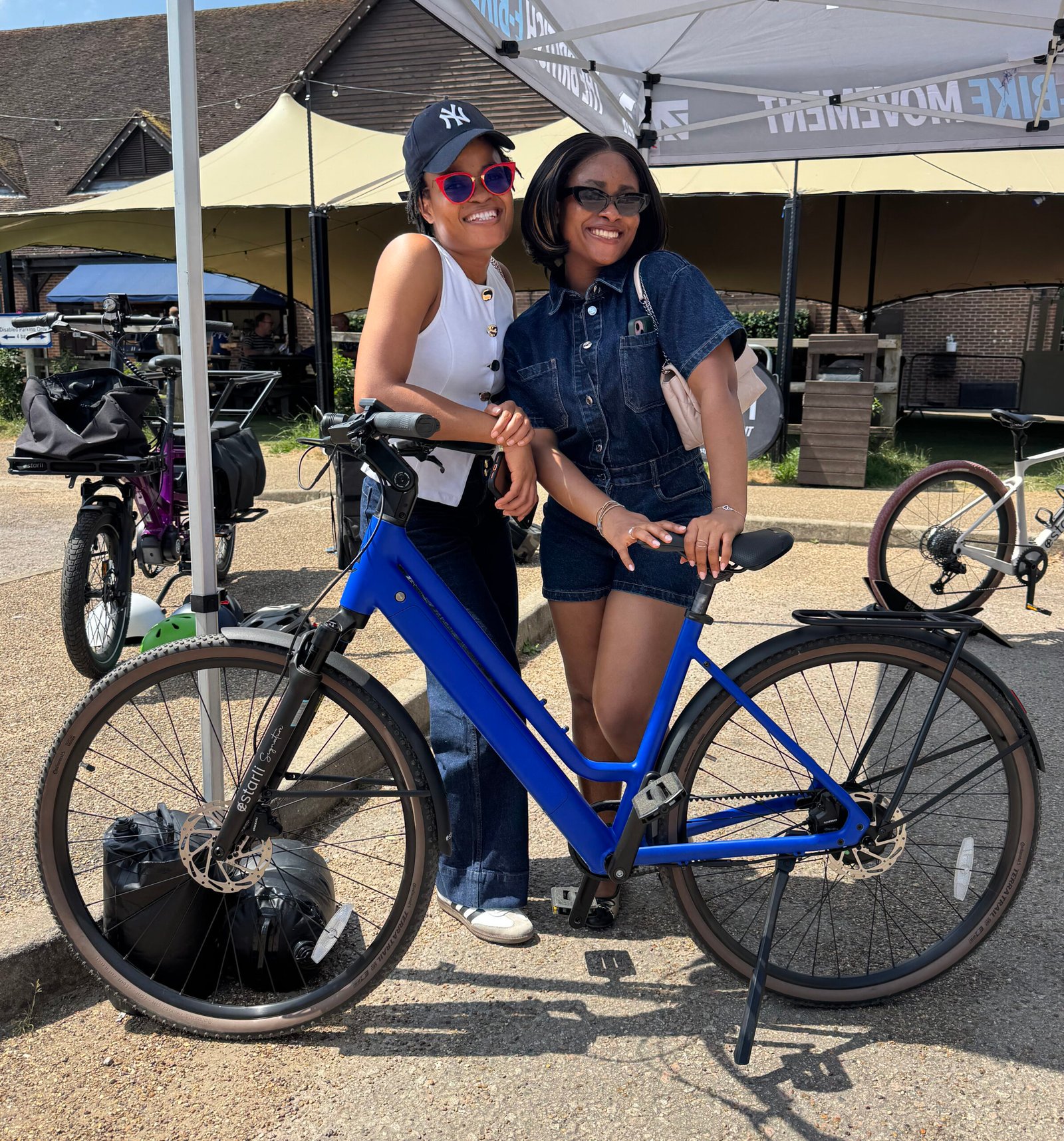
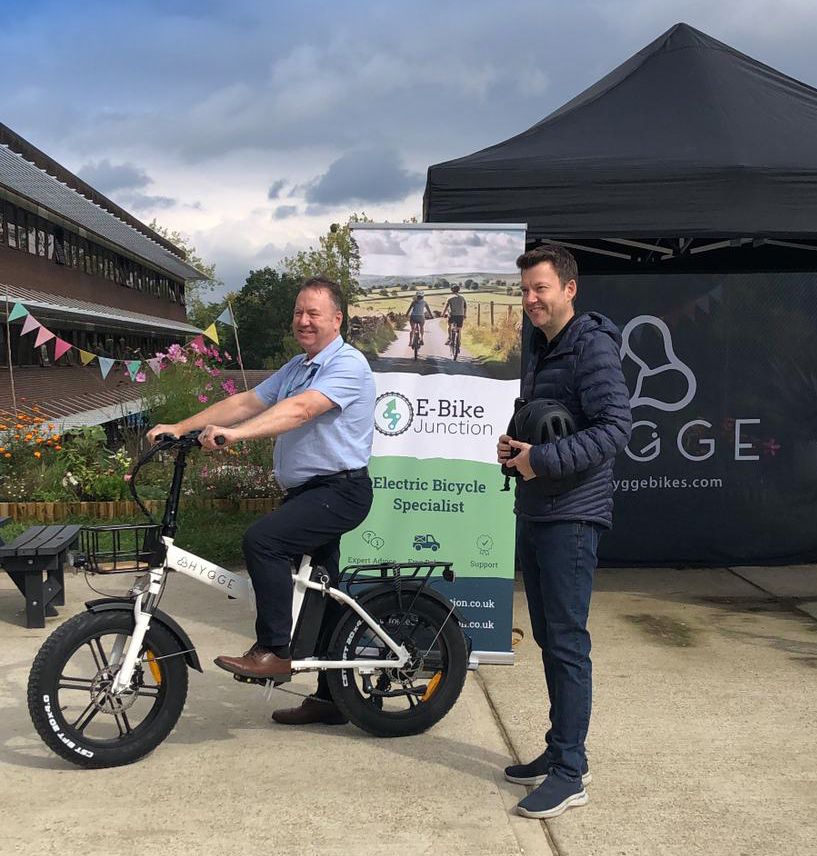
E-bike demo days are fun