The Future of Sustainable Tourism Demo

The Future of Sustainable Tourism Demo

[PRESS RELEASE]

Solarcycle Demonstrates the Future of Sustainable Tourism

with High-Performing E-Bike Charging Installation on the Isle of Arran

Remote Scottish island showcases how renewable-powered, data-driven mobility infrastructure can support eco-tourism without costly construction or grid connections

Isle of Arran, Scotland – 15th June 2026 – Solarcycle Ltd has completed the installation of a free-to-use solar-powered e-bike charging station at the Isle of Arran Community and Visitor Centre, creating a sustainable mobility hub on one of the UK’s most remote and environmentally significant tourism destinations.

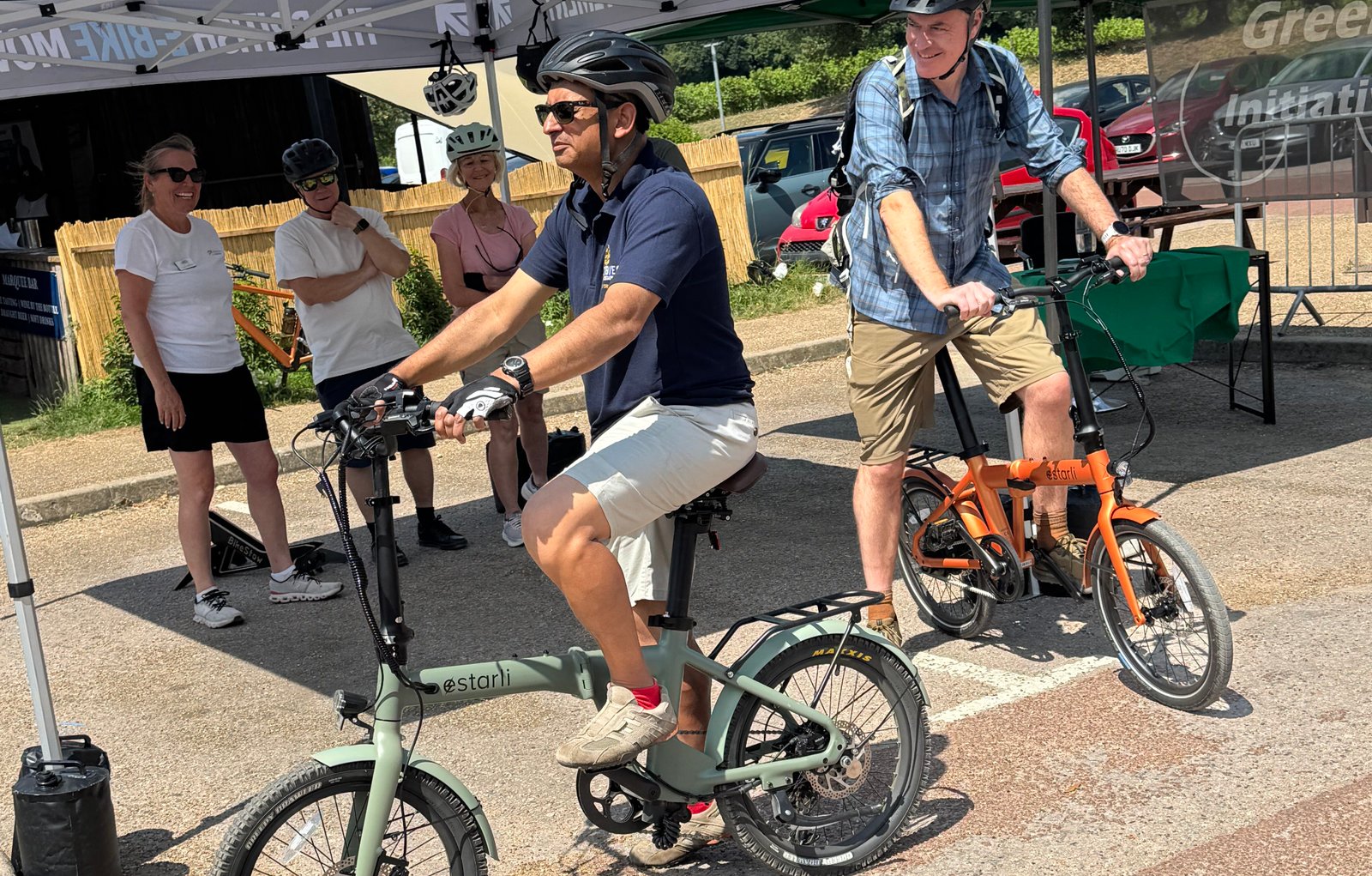
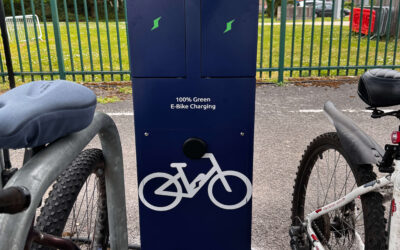
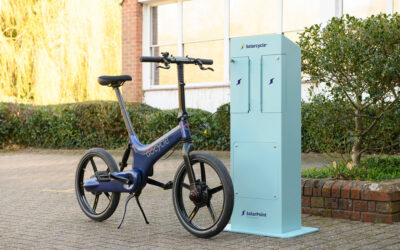
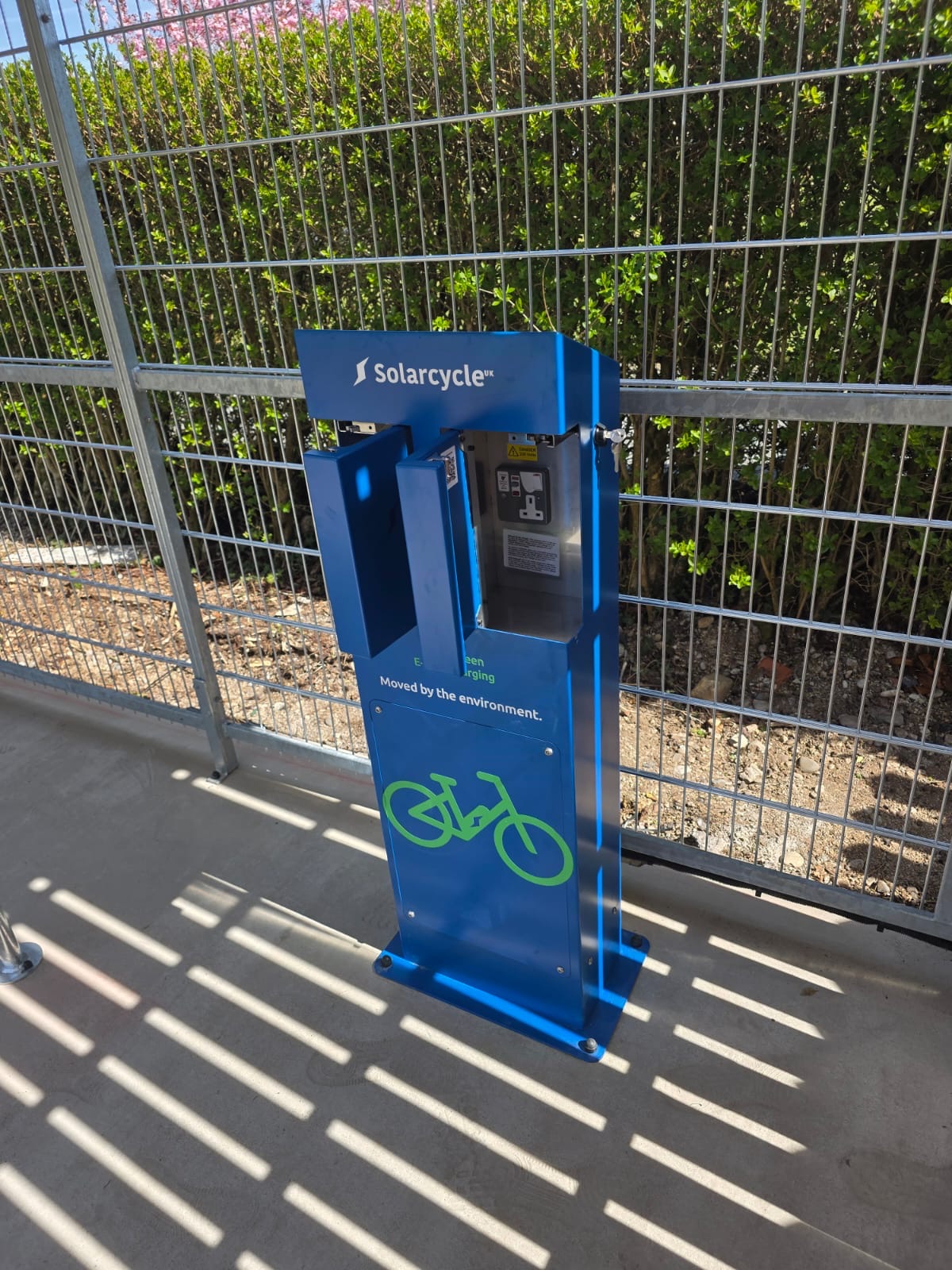
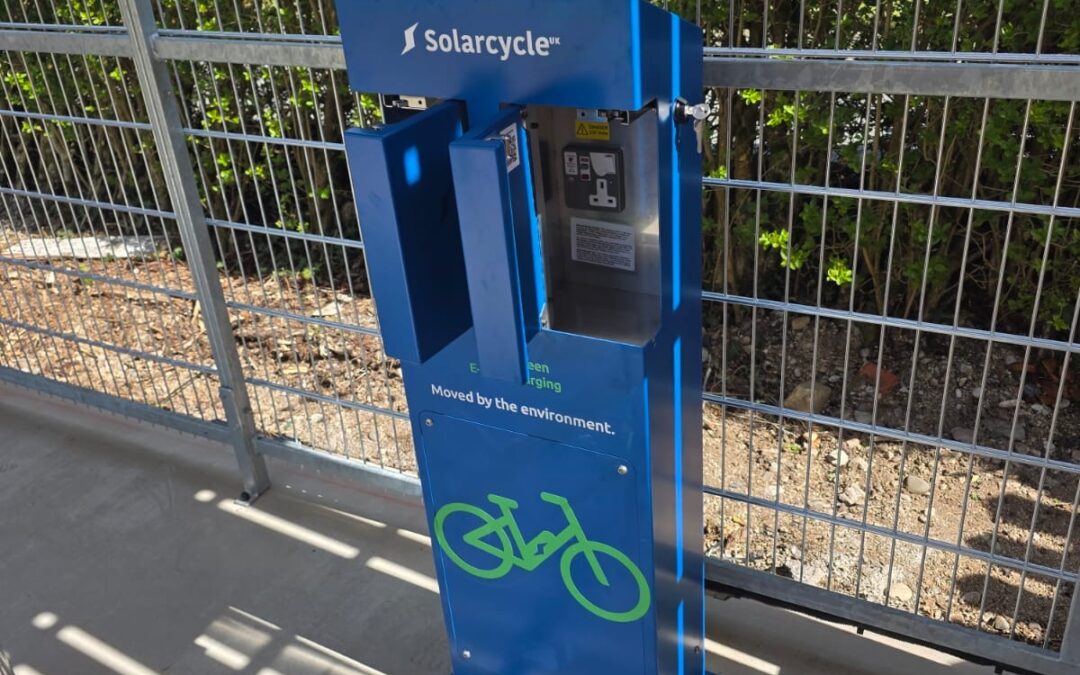
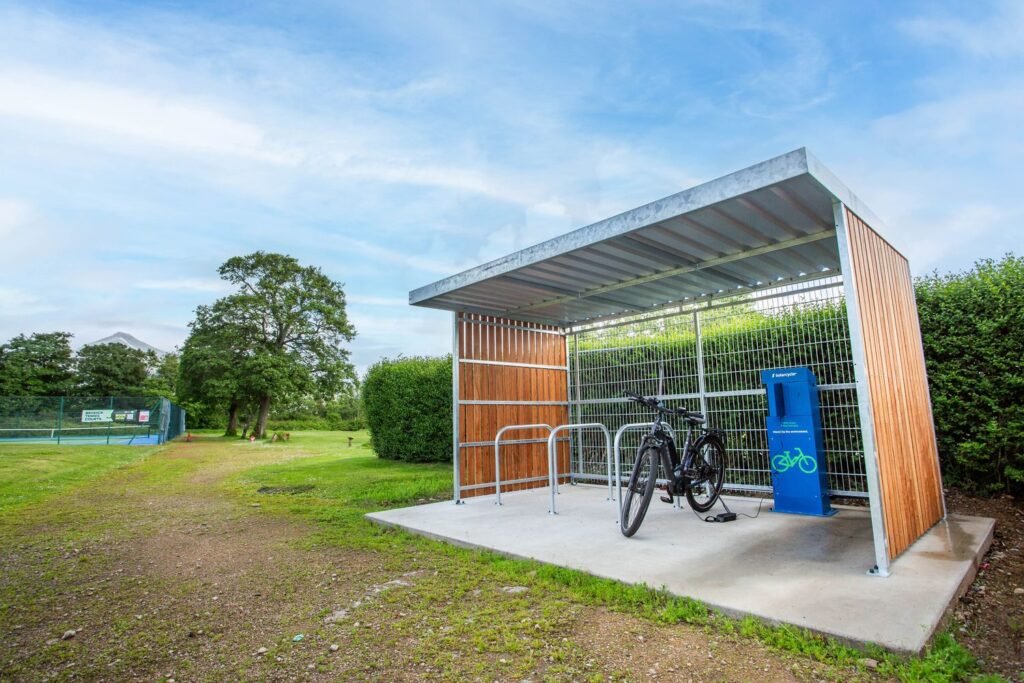
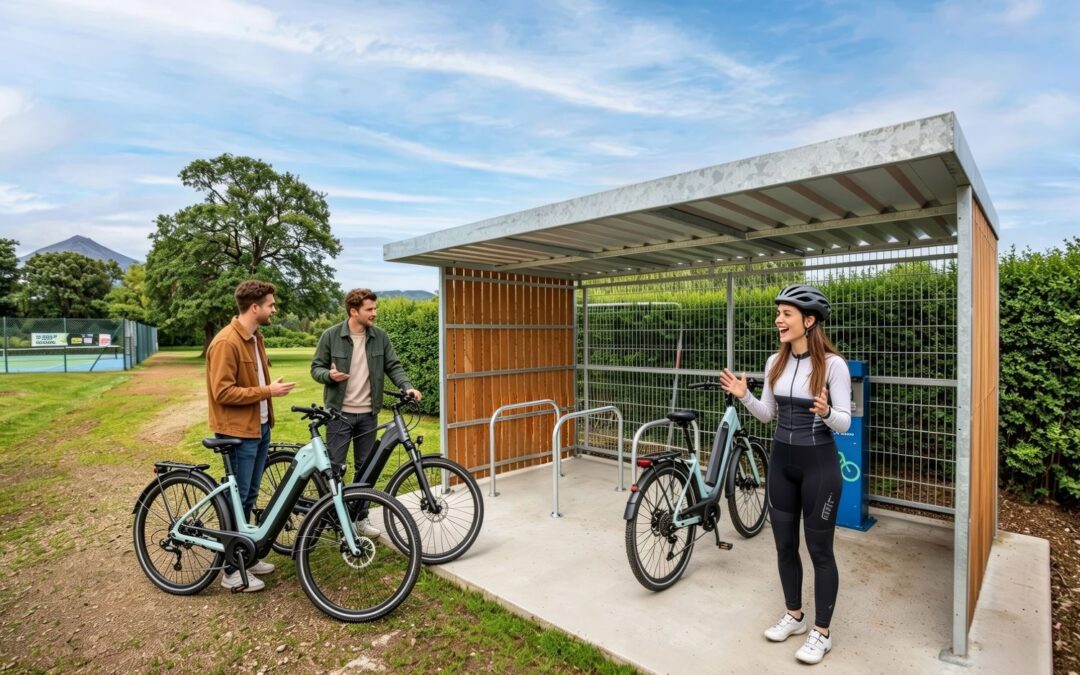
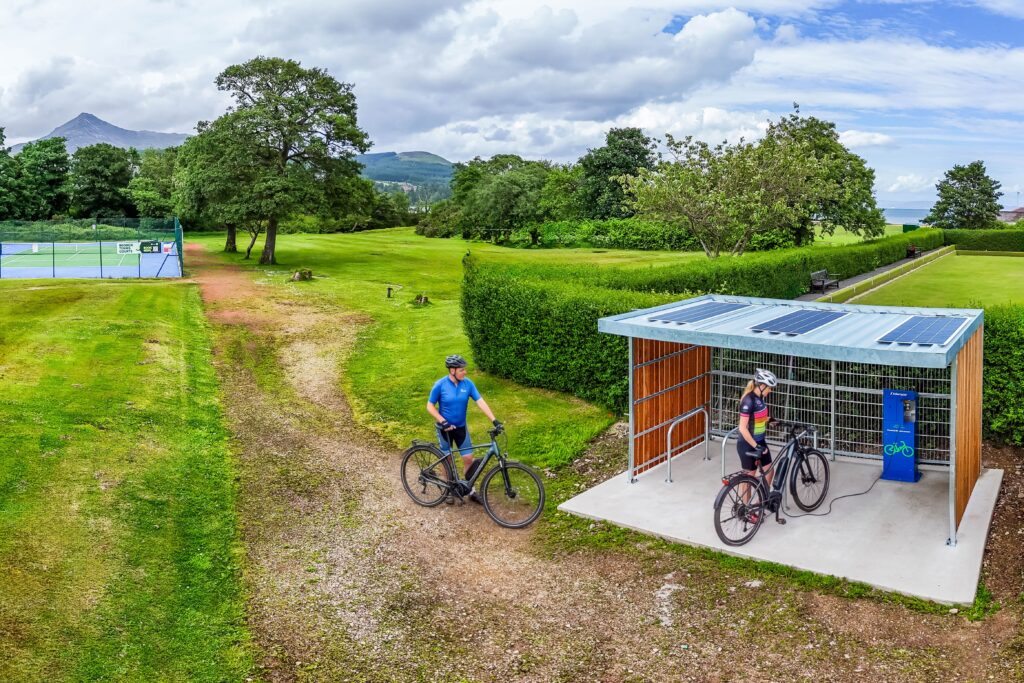
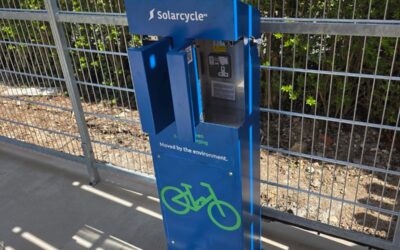
Solarcycle E-bike Charger, Isle of Arran with two e-bike riders

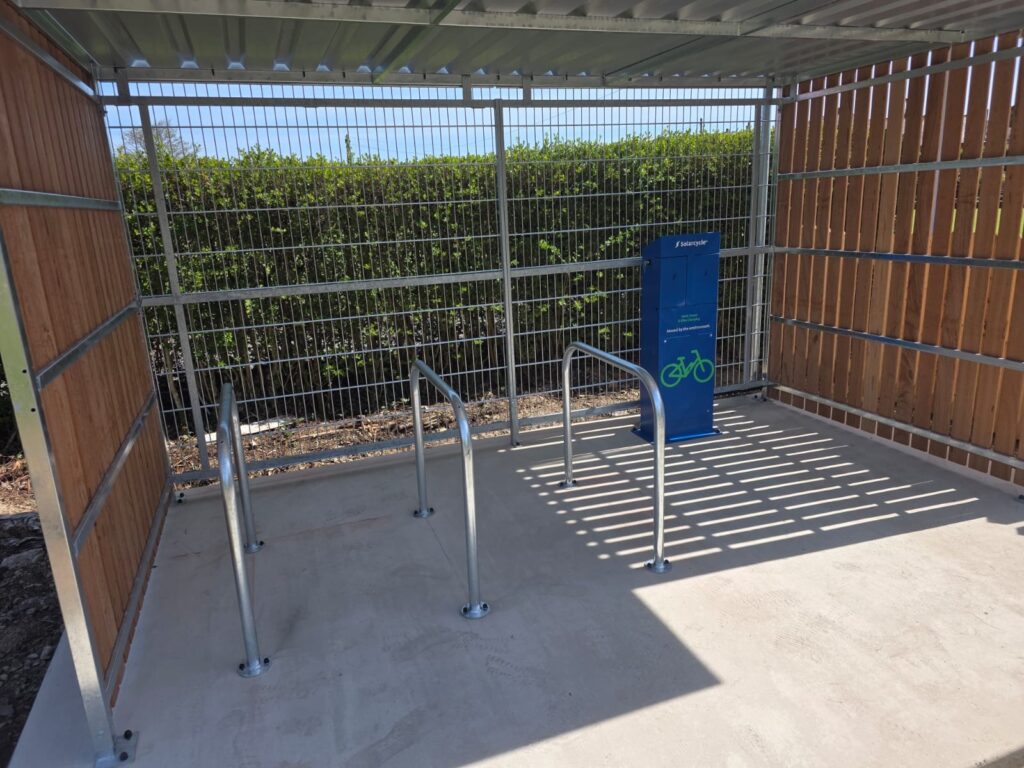
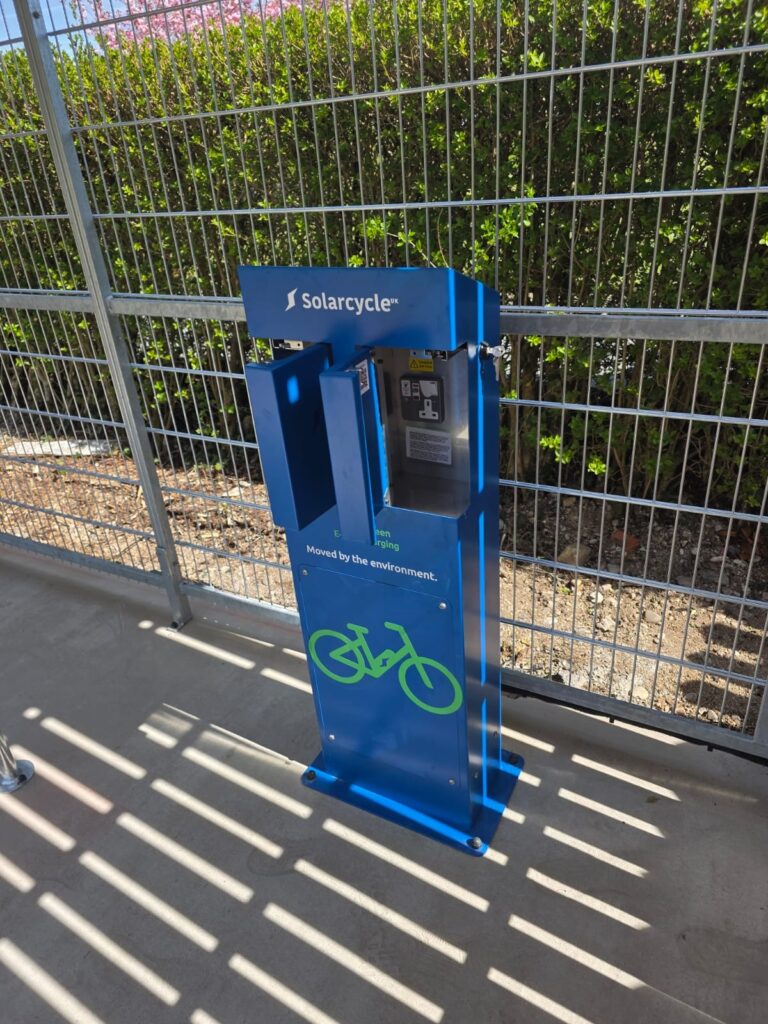
Solarcycle E-bike Charger, Isle of Arran

Located off Scotland’s west coast, the Isle of Arran attracts visitors from across the UK and beyond, drawn by its rugged landscapes, coastal routes, outdoor activities and rich natural heritage. As with many island communities, however, increasing visitor numbers bring transport challenges and a growing need for sustainable alternatives to private vehicle use.

The new Solarcycle installation enables visitors and residents to charge e-bikes using renewable energy generated on-site, encouraging low-impact exploration of the island while helping to preserve the very landscapes visitors come to experience.

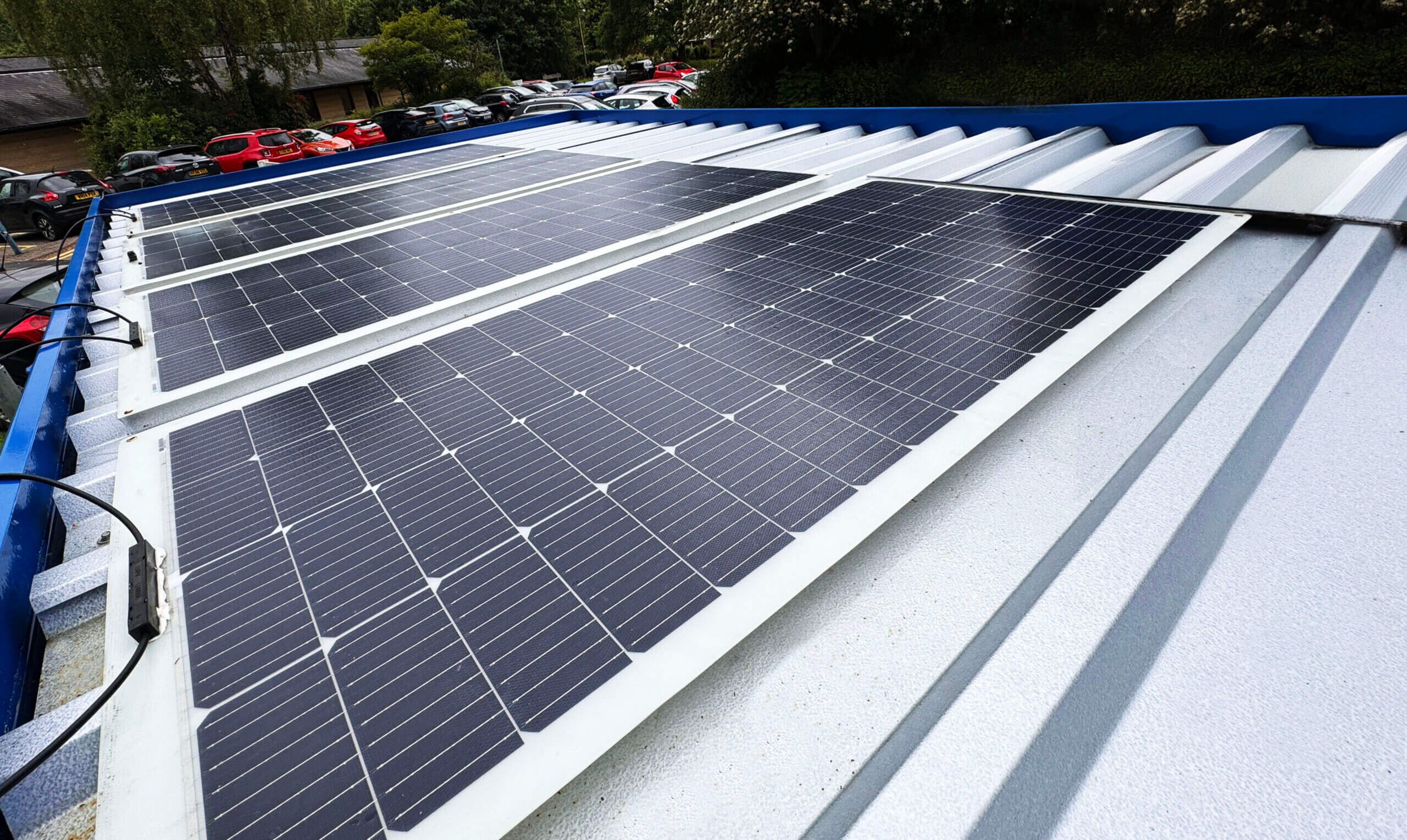
The project has quickly become Solarcycle’s best-performing installation to date. The integrated solar panels consistently generate more than enough energy to meet charging demand, demonstrating the effectiveness of renewable-powered mobility infrastructure even in remote locations.

But the installation represents more than simply a charging point …

Every charging session contributes to Solarcycle’s growing dataset, helping the company understand where, when and why cyclists choose to charge their bikes. By analysing charging behaviour across a wide range of locations, Solarcycle is building valuable insight into e-bike usage patterns, seasonal trends, visitor behaviour and infrastructure demand.

This data helps destinations, employers, healthcare providers and visitor attractions better understand how cyclists interact with their facilities and informs future infrastructure planning.

“Charging infrastructure is only one part of the equation,” said Paul Stratford, CEO of Solarcycle. “The real value comes from understanding user behaviour. Every installation helps us build a clearer picture of how people use e-bikes in different environments, enabling us to advise organisations on demand, location suitability and future investment decisions.”

“Every installation helps us build a clearer picture of how people use e-bikes in different environments, enabling us to advise organisations on demand, location suitability and future investment decisions.”

⚡ Live Performance Summary
Total E-bike kWh's Generated
calculating…
Total E-bike Miles
calculating…
Potential CO₂ Erased from Roads
calculating…

Solarcycle’s predictive analytics draw on data including location type, weather patterns, topography, seasonality and usage trends to help organisations deploy infrastructure where it will deliver the greatest benefit.

The Isle of Arran project also highlights one of the key advantages of the Solarcycle system: simplicity of deployment.

Unlike traditional charging infrastructure, Solarcycle’s modular design requires no extensive groundwork, trenching or disruptive construction works. The units can be installed quickly and efficiently, making them particularly suitable for rural locations, visitor attractions and protected landscapes where minimising environmental impact is a priority.

The system can also be retrofitted to existing cycle shelters, allowing organisations to upgrade existing cycling facilities without replacing their current infrastructure or undertaking major redevelopment projects.

In addition, Solarcycle’s solar-powered architecture enables charging stations to be safely installed away from buildings, removing many of the challenges associated with electrical infrastructure while increasing flexibility in site selection.

“The Isle of Arran demonstrates exactly what makes the Solarcycle solution different,” Stratford continued. “We can deploy quickly, with minimal site disruption, no costly groundwork and no dependence on nearby buildings. Whether we’re installing on a remote Scottish island or at a busy visitor attraction, the process is straightforward, scalable and highly sustainable.”

The successful delivery of the Arran project also reflects Solarcycle’s nationwide installation capability. The company’s dedicated installation team routinely works in challenging and remote environments, ensuring organisations can access sustainable charging infrastructure regardless of location.

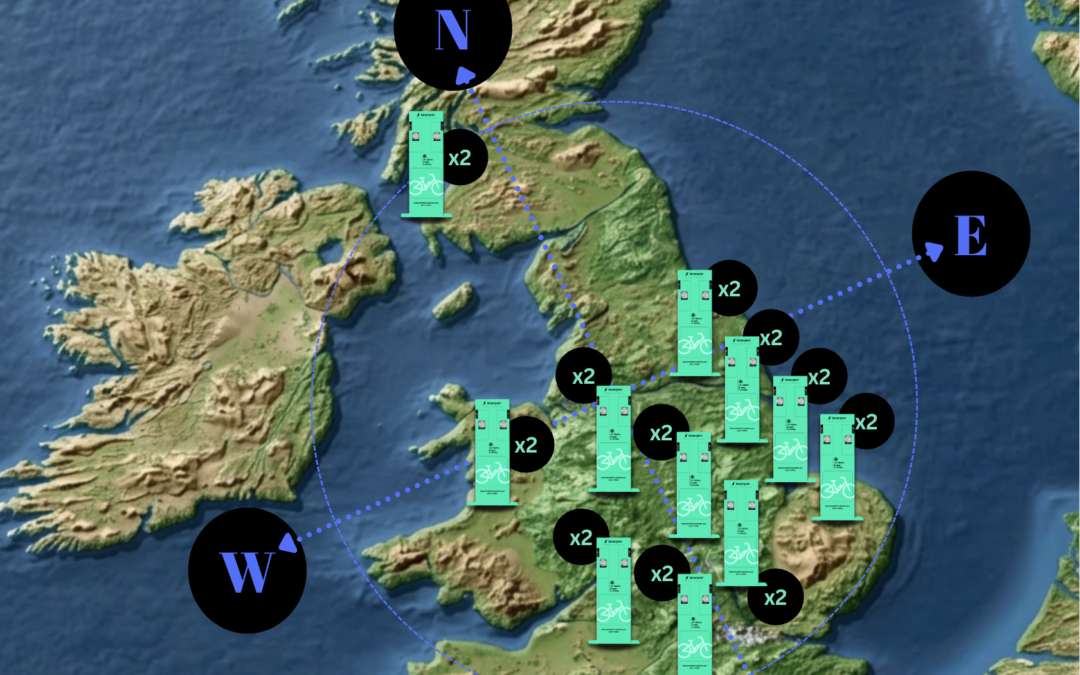
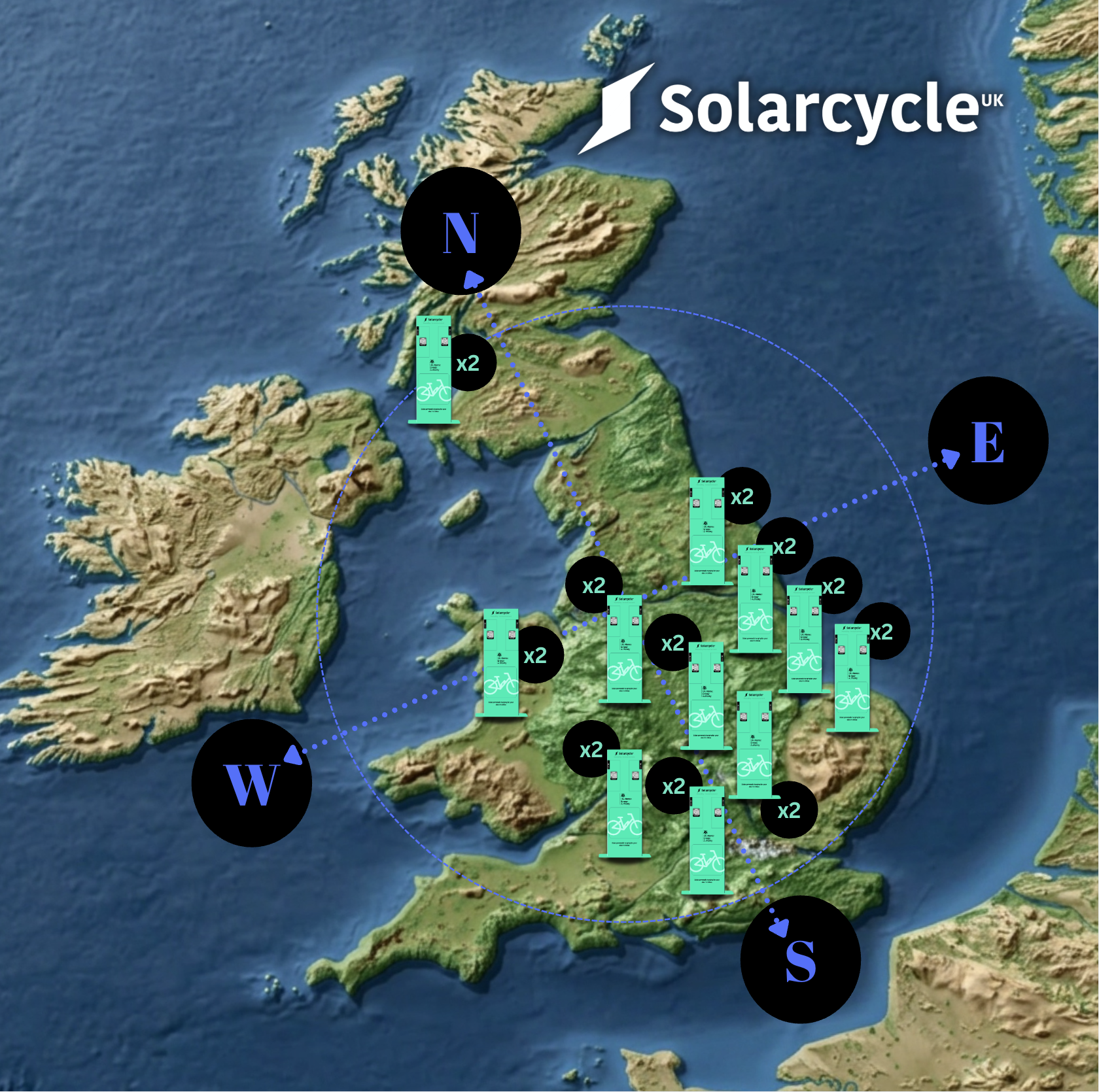
From the far northern reaches of the British Isles to the south of England, Solarcycle is helping destinations embrace active travel and sustainable tourism.
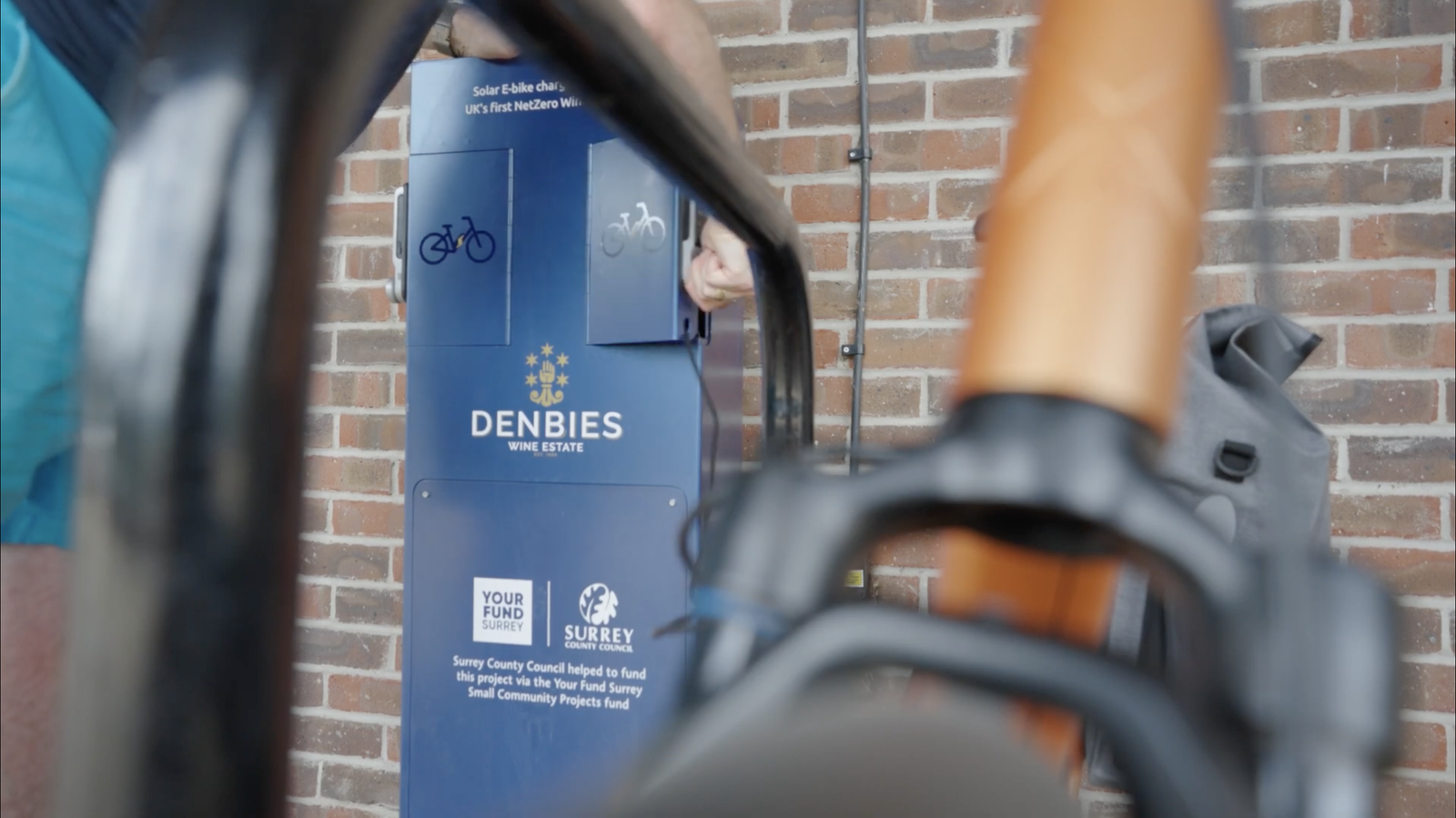
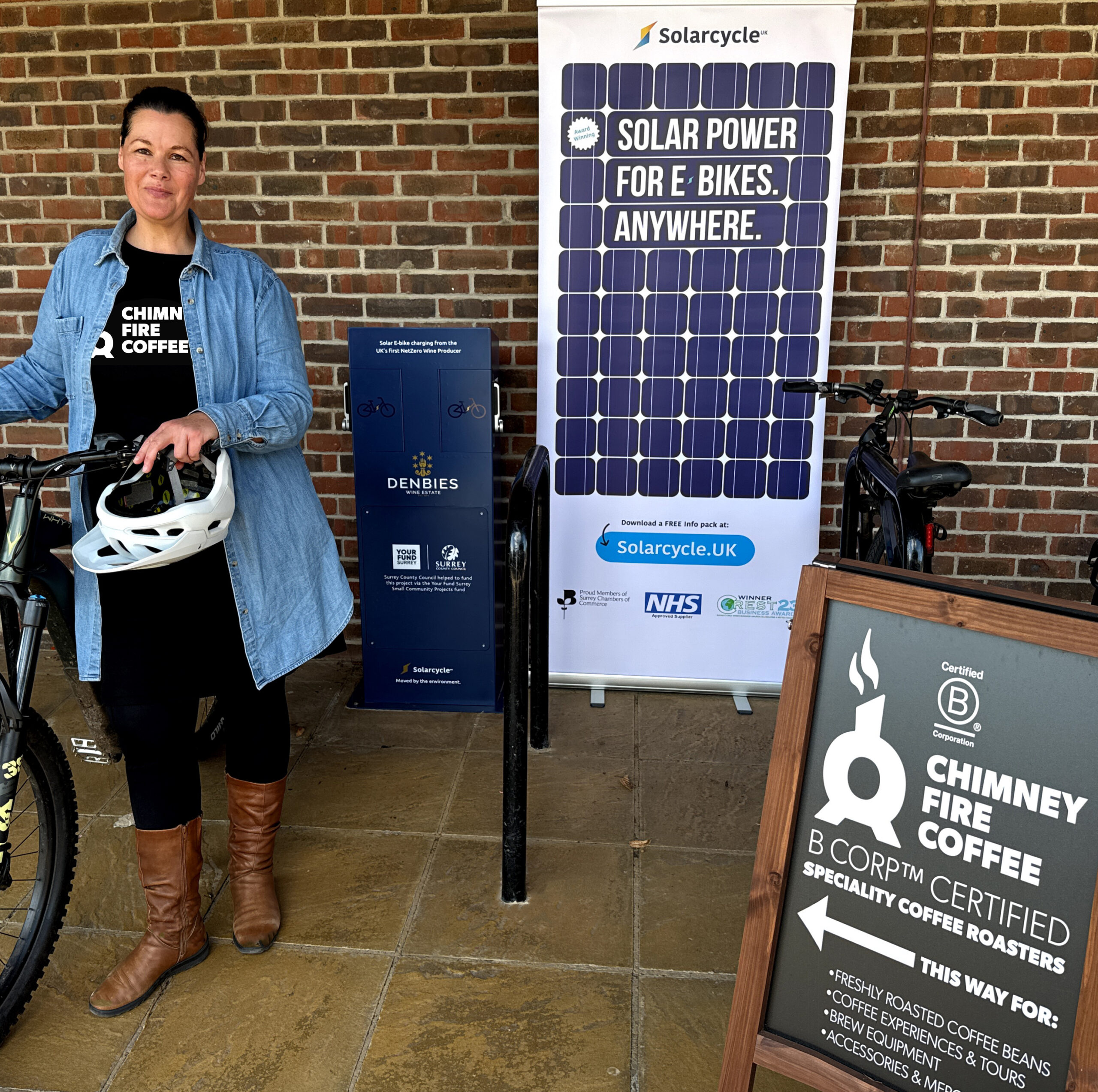
At Denbies Wine Estate in the South Downs, for example, Solarcycle has installed a free-to-use public e-bike charging station designed to encourage visitors to explore the estate and surrounding countryside by bicycle. The aim is not simply to provide charging facilities but to support cleaner, quieter and more environmentally responsible visitor experiences.

As eco-tourism continues to grow, destinations are increasingly recognising the role that cycling infrastructure can play in reducing environmental impact while enhancing visitor engagement. For island communities, rural regions and visitor attractions alike, sustainable mobility is becoming a critical part of long-term tourism resilience and economic sustainability.

Through a combination of renewable energy, modular infrastructure, rapid deployment and data-driven insight, Solarcycle is helping organisations across the UK build the foundations for a more sustainable future.

Request Hi-Res images?

300 dpi images available on request.

Case Studies

A new E-bike charging network for this UK Campus

A new E-bike charging network for this UK Campus

[Case study]Charging E-bikes for a campus with 32x e-bikes Safely away from buildings24th Ocober 2025 -  Situation: This campus already had a fleet of existing electric scooters with a max range of 4 miles. However, this wasn't sufficient to cover the 10-mile-wide...

Up-to-date News on our Social Channels:

The UK’s E-Bike Charging Network — Data Tells Us What‘s Next

The UK’s E-Bike Charging Network — Data Tells Us What‘s Next

We Built the UK’s E-Bike Charging Network

Now Data Tells Us What‘s Next…

What is next?

On a remote Scottish island accessible only by ferry, e-bike riders can now plug in to charge. 300 miles south, NHS hospital staff in Wales are able to top-up for free whilst on a shift at day or night. Even further south, customers at Surrey’s famous wine estate Denbie’s, can top-up their e-bikes before cycling out across the South Downs. And in Norfolk, a large campus now provides secure and safe e-bike charging. These moments are separated by geography, environment, and purpose — but they are all part of the same network. Solarcycle’s green energy network.

And together with chargers across the rest of the UK, we are building something no other operators in the UK can claim: a real, data-rich picture of how, when, and where people across this country are choosing to travel by e-bike.

We’re seeing E-bike adoption across the UK accelerating rapidly. But infrastructure is what converts interest into habit. And no other e-bike charging operator has installations across the range of environments that Solarcycle does — which means no one else is building the picture of UK charging behaviour that we are.

⚡ Live Performance Summary
Total E-bike kWh's Generated
calculating…
Total E-bike Miles
calculating…
Potential CO₂ Erased from Roads
calculating…

At Solarcycle UK, the answer has always been clear: charging infrastructure must be safe, accessible, and visible, enabling people to charge their e-bikes confidently wherever they visit, work, study, and travel. But the mission has grown beyond infrastructure. It is about generating the unique, nationwide insight that only comes from being present everywhere — and using that insight to shape what comes next.

That means not only serving cities and transport hubs, but also rural communities, remote destinations, educational and work campuses, healthcare facilities, and tourism locations spanning the full length and breadth of the UK.

Charging Infrastructure Beyond the City

One of the biggest misconceptions around sustainable transport is that innovation happens only in urban environments. It’s only partly true.

In reality, some of Solarcycle UK’s most impactful e-bike charging projects are taking place in communities where transport alternatives are limited, car dependency remains high, and sustainability goals are closely linked to local economic development. Solarcycle UK has proven — across a growing body of diverse locations — that accessible charging infrastructure drives meaningful behavioural change across both urban and rural communities.

That diversity is not accidental. It is the result of a deliberate strategy to build a network that mirrors the reality of how people actually move around the UK — not just how planners imagine they do.

From the Isle of Arran in Scotland to healthcare facilities in Wales, and countryside estates across southern England to work campuses in East Anglia — Solarcycle is present where others are not — this is due to its modular ‘off-grid’ design, SMART connected features and ability to be retrofitted to existing infrastructure. This is not merely a question of convenience. It reflects a national infrastructure shift that connects wellbeing, active travel, tourism, and the environment within a single, coherent vision. And critically, it generates a body of unique compelling data we can share with new customers.

Supporting Campus Mobility in Norfolk

In Norfolk, Solarcycle UK deployed multiple secure, solar-powered e-bike charging stations across a workplace campus, designed to support staff and visitors travelling by e-bike. What the data from this site reveals is instructive: peak charging consistently clusters around commuter arrival windows, and uptake accelerates in the weeks following installation as word spreads through teams. Behaviour, it turns out, is contagious.

Work and educational campuses now recognise sustainable mobility infrastructure as a core part of their environmental commitments, not an optional add-on. Secure charging provides the confidence that turns e-bike curiosity into a daily habit.

These installations reduce parking demand, cut congestion and emissions, and promote healthier travel habits — delivering measurable outcomes for organisations that need to demonstrate progress against sustainability commitments.

Encouraging Sustainable Tourism at Denbies Wine Estate

At Denbies Wine Estate, on the southern edge of the Surrey Hills, Solarcycle installed a public e-bike charging station that is free for visitors to use — bringing clean, accessible mobility infrastructure to one of England’s most distinctive rural landscapes. Usage patterns like this, tell a different story to urban commuter sites: charging spikes at weekends and during school holidays, tracks closely with weather, and shows strong seasonality. This is tourism-driven behaviour, and it is only visible because Solarcycle is present in environments like this.

The goal was not simply to provide charging infrastructure, but to actively encourage cycling to the estate and surrounding countryside — making the e-bike a natural part of the visitor experience rather than an afterthought.
Destinations that make charging easily accessible and free actively change how visitors explore — quietly, cleanly, and across more of the landscape than they would by car.

As eco-tourism continues to grow, infrastructure like this plays an increasingly important role in shaping how visitors travel — and Solarcycle’s data is already building the evidence base to prove it.

Supporting NHS Staff and Smarter Transport in Wales

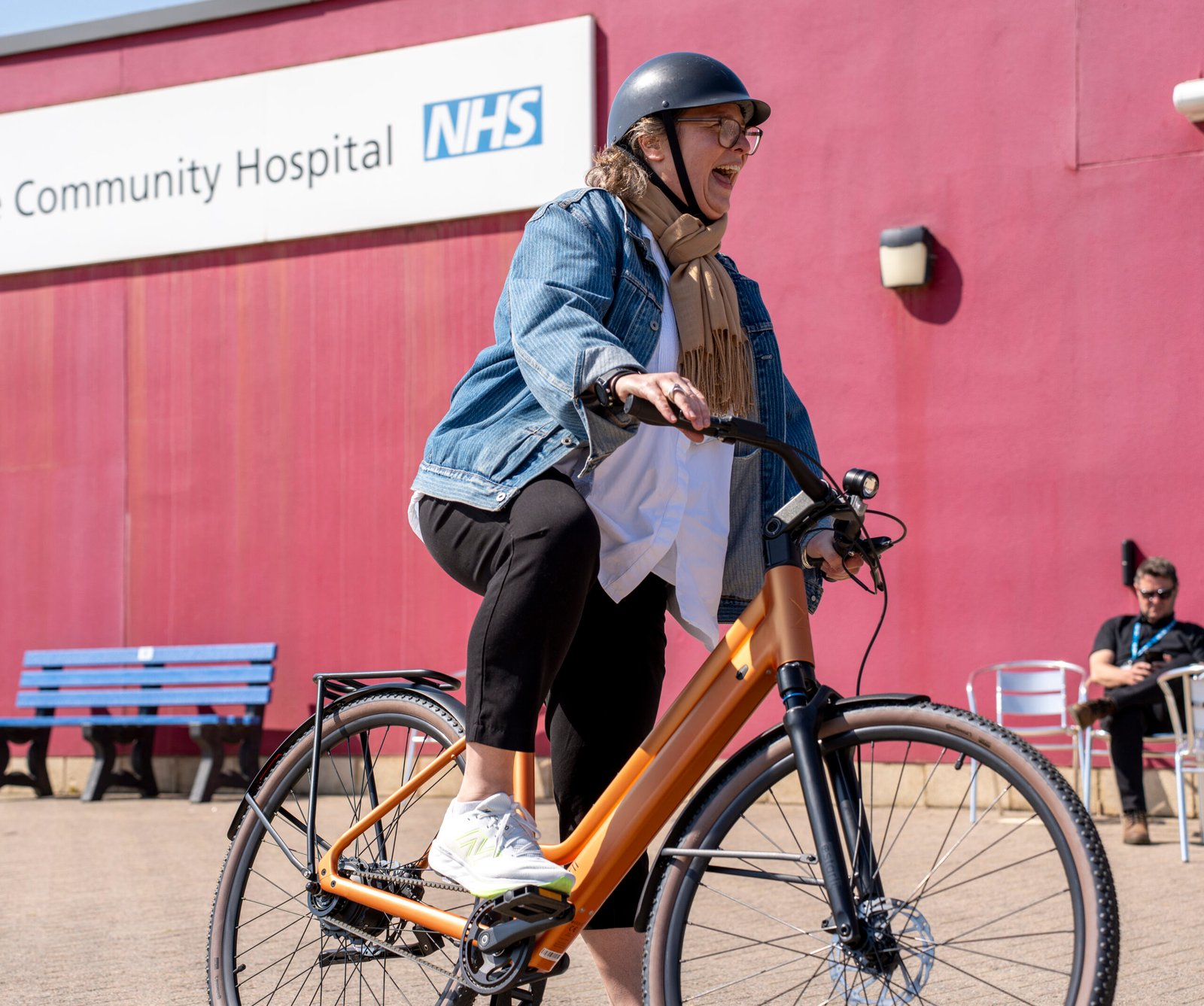
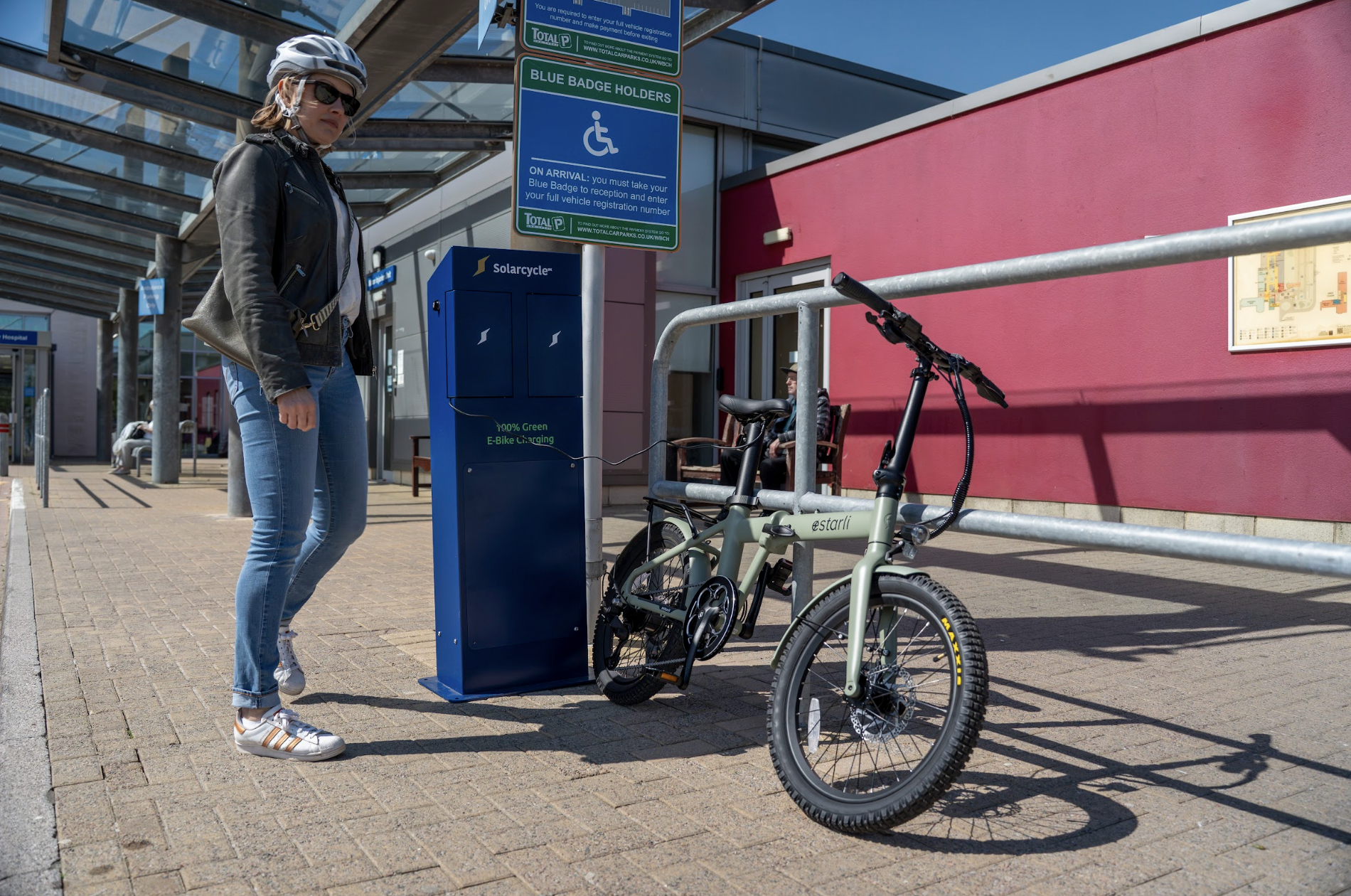
At Ystradgynlais Community Hospital in Wales, Solarcycle deployed a free-to-use e-bike charging station for hospital staff.

NHS sites present a distinct charging profile: usage is distributed across shift patterns rather than conventional commuter peaks, and adoption tends to build steadily as staff see colleagues using the infrastructure. Hospital environments also generate valuable data on how charging behaviour differs when financial pressures and parking availability are primary motivators for switching.

Healthcare facilities face acute pressure around parking availability, cost, and sustainability targets. With around 25 cars competing for each parking space, encouraging staff to commute by e-bike addresses financial budgets, CO2 levels and staff wellbeing simultaneously — and the charging data tells us exactly how that shift happens in practice, so we’re able to predict and provide the right solution based on proof.

Projects like this prove that e-bike charging delivers directly against operational efficiency, staff wellbeing, and sustainability goals — and that the evidence is showing in the data to demonstrate it.

Enabling Eco-Tourism on the Isle of Arran

At the far northern reaches of the British Isles, on the Isle of Arran in Scotland — accessible only by ferry — Solarcycle has installed a free-to-use e-bike charging station, supporting eco-tourism and enabling low-impact exploration across one of the UK’s most striking island landscapes. The data from Arran is unlike anything generated in an urban or suburban setting: charging is almost entirely visitor-driven, heavily seasonal, and concentrated around arrival times no-doubt tied to the ferry timetable. It is a dataset we’re building that exists nowhere else.

Remote destinations face unique transport challenges, particularly where visitors rely heavily on private vehicles. E-bike infrastructure creates new opportunities for low-impact tourism while helping destinations preserve the very environments that make them worth visiting.

For islands and rural regions, sustainable mobility is not just an environmental issue. It is tied directly to long-term tourism resilience and economic sustainability — and the charging data Solarcycle is gathering from places like Arran is helping to quantify that relationship for the first time.

Why Nationwide Coverage Matters

One isolated charging point creates convenience. A national network creates knowledge. That distinction matters. And it is what sets Solarcycle apart.

Because Solarcycle’s network spans urban campuses and remote islands, healthcare facilities and heritage estates, commuter corridors and tourism routes, the data it generates is unlike anything any other operator holds. It captures how, when, and where people across the full spectrum of UK environments choose to travel by e-bike — insight that is already shaping the future of the network and the design of Solarcycle’s products.

By factoring in variables such as topography, weather patterns, seasonality, and workplace type, Solarcycle already advises organisations using live data no competitor holds — ensuring every new installation is right for its environment, and building a suite of physical and digital products from the intelligence gathered.

The Next Stage of Sustainable Mobility

E-bikes address more of the UK’s transport challenges simultaneously than almost any other intervention — emissions, congestion, affordability, health, accessibility. But mass adoption depends on one thing: confidence. People need to know they can charge safely and reliably wherever they go. Since 2022, this is what Solarcycle has been building.

From Arran to Wales, Surrey to Norfolk — and every charging point in between, our network is a data point in a picture no one else sees. We know how the UK charges. We know when, where, and why. And we are using that knowledge to build what comes next.

Planning an E-bike Scheme?

Apply to use Solarcycle’s data to help apply for funding.

More Case Studies

A new E-bike charging network for this UK Campus

A new E-bike charging network for this UK Campus

[Case study]Charging E-bikes for a campus with 32x e-bikes Safely away from buildings24th Ocober 2025 -  Situation: This campus already had a fleet of existing electric scooters with a max range of 4 miles. However, this wasn't sufficient to cover the 10-mile-wide...

Up-to-date News on our Social Channels:

Solar E-Bike Charger Installation – Isle of Arran

Solar E-Bike Charger Installation – Isle of Arran

[Case study]

Solar E-Bike Charger

Installation on the Isle of Arran

Proving Solar Viability in Remote Scotland – Best-Performing UK Site Supports Eco-Tourism

Background

The Isle of Arran, a scenic island off the west coast of Scotland, is a popular destination for eco-tourism and outdoor enthusiasts. In partnership with Falco, Solarcycle UK installed a solar e-bike charger at the local library and tennis courts to provide convenient, sustainable charging for visitors and residents. The project supports the island’s commitment to green transport and helps reduce reliance on cars in this remote, environmentally sensitive location.


Challenge

A common question raised about solar-powered e-bike chargers in the UK is whether solar panels can capture enough sunlight, especially in Scotland, to deliver reliable, effective charging year-round. On a remote island like Arran, additional challenges included logistics, the absence of mains electricity at the chosen location, and the need for a solution that would perform optimally without ongoing grid connection or major site works.

Solution

Solarcycle UK’s dedicated installation team successfully delivered and commissioned the solar e-bike charger on the Isle of Arran, demonstrating that even the most remote locations in the country are well within reach. The system was installed in the most optimal orientation and position at the Visitor Centre. Every component of the Solarcycle solar e-bike charger was carefully selected as the best available on the market, combined with intelligent software controls that maximise energy harvesting and system efficiency. This optimised approach has made the installation the best-performing Solarcycle site in the UK to date.

Addressing Solar Performance in the UK

Solarcycle’s solar panels capture more than enough sunlight in the UK for the charger to be highly effective. At this Isle of Arran location, the panels have consistently generated surplus energy well beyond daily charging demand, proving that when installed optimally, the system is more than viable even in northern latitudes and variable weather conditions.

Key Safety & Technology Features

  • Premium, market-leading solar components paired with advanced software controls for maximum energy yield and efficiency.
  • Intelligent battery monitoring and automatic safety features (as standard across all Solarcycle units).
  • Fully off-grid operation with zero reliance on mains electricity.
    Rapid, low-impact installation by Solarcycle’s specialist national team.

Results & Benefits

  • Outstanding energy performance:
    The best-performing Solarcycle installation in the UK, with solar generation comfortably exceeding demand. 
  • Eco-tourism support:
    Provides convenient e-bike charging at the Community/Visitor Centre, encouraging low-carbon exploration of the island and aligning perfectly with local sustainability goals. 
  • Remote capability proven:
    Solarcycle’s dedicated installation team can deploy anywhere in the country, including remote Scottish islands, with minimal disruption. 
  • Zero infrastructure cost:
    No mains connection or groundworks required, making it the most practical and cost-effective solution for off-grid or heritage-sensitive sites. 
  • Long-term viability:
    The carefully selected components and smart software ensure reliable, high-output performance even in challenging UK conditions.

This Isle of Arran project stands as a flagship example that Solarcycle’s solar e-bike charging is not only viable but exceptionally effective across the entire UK when installed with the right expertise and optimisation.

Client Feedback
“Providing this facility on campus has helped us support staff in making the switch from car to e-bike. The Solarcycle all-in-one solution was so quick to install, compliant, and offered exactly what we needed at a competitive price.”

Solarcycle UK continues to partner with forward-thinking organisations and communities across the UK, from research campuses to remote islands, delivering safe, solar-powered e-bike charging that is practical, high-performing, and future-ready.


Planning an E-bike Scheme?

Use our Business Case Kit packed with the latest facts and tools to help you build an internal brief or apply for funding.

Active Travel Aids Planning Consent at UK Research Campus

Active Travel Aids Planning Consent at UK Research Campus

[Case study]

Active Travel Aids Planning Consent

at UK Research Campus

Solarcycle Solar E-Bike Charger Enables Compliant, Low-Impact Installation

Background

A prominent UK research campus was committed to reducing car dependency among staff and promoting sustainable commuting. As part of its Active Travel policy, the organisation wanted to provide convenient, safe e-bike charging facilities to encourage employees to switch from cars to e-bikes. The initiative also aimed to free up existing car parking spaces without incurring high infrastructure costs or disrupting operations.

Challenge

The campus required a charging solution that could meet strict planning permission requirements while ensuring the highest levels of safety. Traditional mains-connected chargers would have necessitated costly groundworks, electrical connections, and potential planning hurdles. In addition, any solution needed to address e-bike fire risks associated with illegal, modified, damaged, or dangerous batteries, particularly important in a workplace environment.

Solution

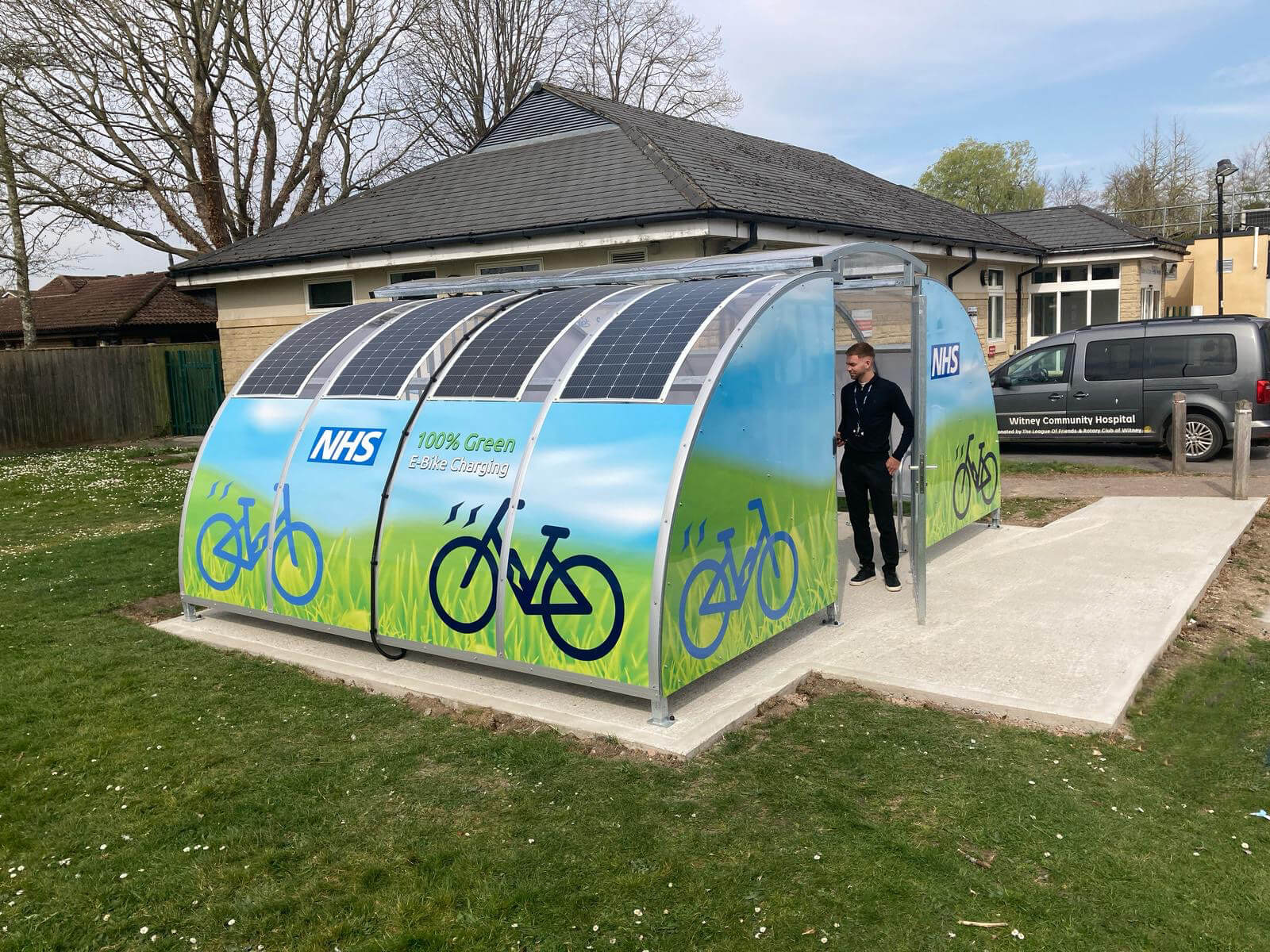
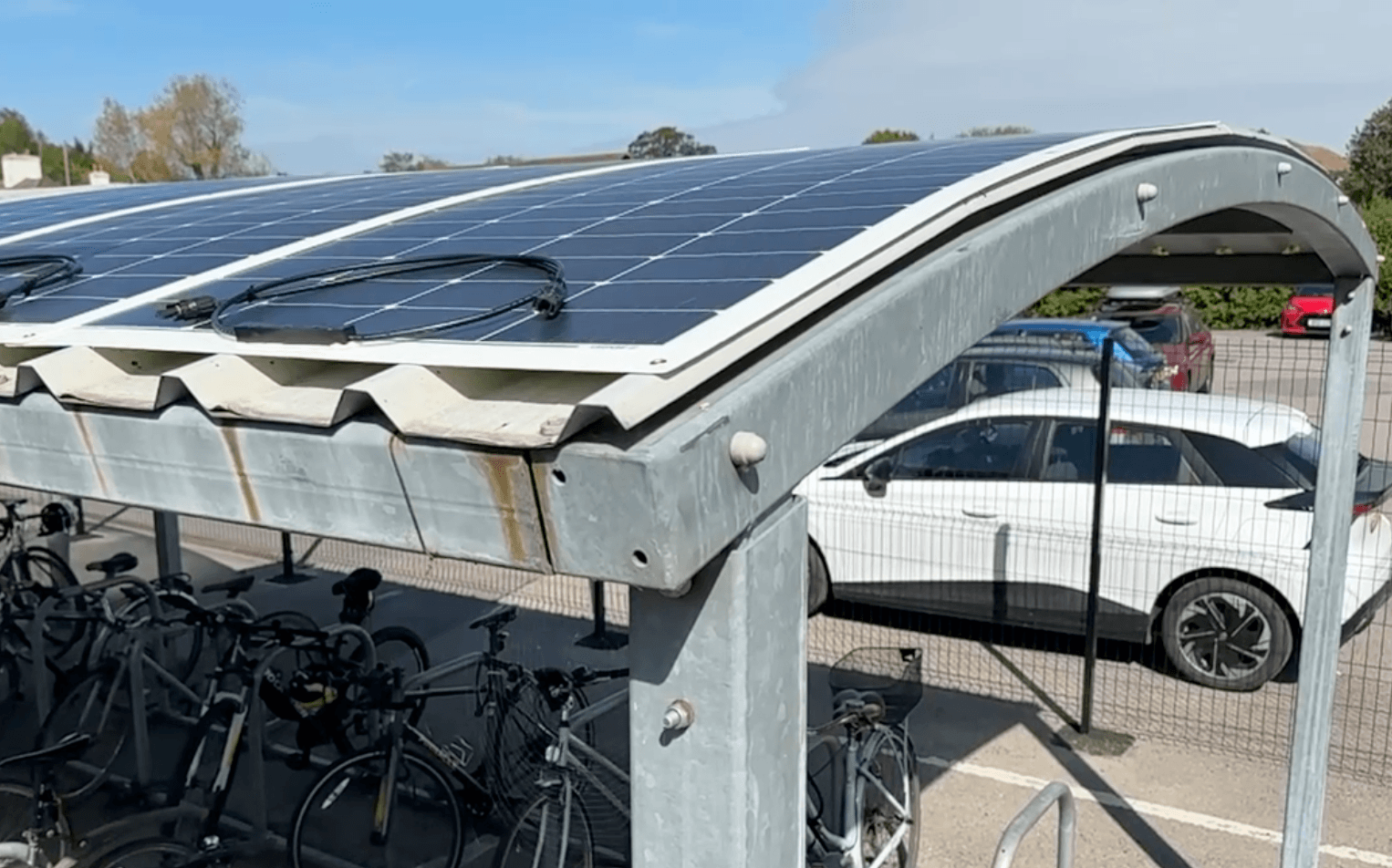
Solarcycle UK installed its solar-powered e-bike charger onto the existing secure bike shelter, positioned 10 metres away from the nearest building. Solarcycle’s SMART charger, powered by its proprietary software, was custom programmed to operate in a mode fully compliant with the planning authority’s conditions.

This bespoke configuration, which was additionally charged for, enabled the project to proceed without any modification to the site or additional infrastructure. This Active Travel initiative directly supported the planning application by showcasing a safe, sustainable, and zero-mains infrastructure solution.

Solarcycle’s proprietary software enabled the charger to operate in a mode fully compliant with the planning authority’s conditions, allowing the project to proceed without modification to the site or additional infrastructure.

Key Safety & Technology Features

The Solarcycle solar e-bike charger is recognised as the safest on the market because it actively de-risks the entire charging process:

  • Continuous monitoring detects illegal, modified, dangerous, or damaged e-bike batteries.
  • If a fault is identified, the system automatically stops the charging process immediately.
  • Solarcycle’s software alerts management of any suspicious activity.
  • This intelligent safety layer provides peace of mind for both the institute and its staff.

Results & Benefits

Zero infrastructure cost:
No mains electricity connection or groundworks were required, making this the most cost-effective e-bike charging solution available — installed literally within minutes, not months.

Workplace impact:
The dedicated workplace charger has helped encourage staff to switch from cars to e-bikes, supporting the institute’s Active Travel policy and freeing up valuable car parking spaces.

Seamless integration:
The charger was mounted on the existing secure bike shelter, ensuring minimal disruption and maximum convenience.

Planning success:
By delivering a compliant Active Travel facility with no site modifications, the Solarcycle SMART charger played a key role in securing planning consent while meeting all authority conditions.

The installation demonstrates how Solarcycle’s solar e-bike chargers deliver safe, sustainable, and regulation-compliant charging without the expense or complexity of traditional systems.

Client Feedback
“Providing this facility on campus has helped us support staff in making the switch from car to e-bike. The Solarcycle all-in-one solution was so quick to install, compliant, and offered exactly what we needed at a competitive price.”

Solarcycle UK continues to partner with forward-thinking organisations to deliver safe, solar-powered e-bike charging that aligns with environmental and workplace wellbeing goals.

Planning an E-bike Scheme?

Use our Business Case Kit packed with the latest facts and tools to help you build an internal brief or apply for funding.

Active Travel’s Green Mark

Active Travel’s Green Mark

[ANNOUNCEMENT]

Active Travel’s Green Mark

Green Policy accreditation

27th March 2026 – 

Solarcycle have some green news to share—and no, it’s not just turning the factory lights off today.  Our efforts are now recognised by Green Mark with their environmental certification in providing sustainable e-bike charging.

What’s Active Travel’s Green Mark accreditation? 

For those unfamiliar, Green Mark provides internationally recognised environmental certifications for organisations that want to prove they’re not just talking about sustainability—they’re actually doing something about it. And the accountability part? That’s why Solarcycle chose this prestigious classification – its work that begins now, and continually seeks to improve.

So, what did we actually do?

Over the past couple of months we’ve been going through Green Mark’s thorough online process—sharing details about how we operate, answering a range of questions, and submitting supporting evidence. As independent auditors they reviewed everything. No greenwashing, no shortcuts—just a proper look under the hood of how we proudly run things.

The result? Level 1 accreditation, and more importantly, a solid framework to help us measure, manage, and reduce our environmental impact going forward. It’s not a “one-and-done” badge; it’s a commitment to keep improving and to be transparent about how we’re doing.

Why accountability matters to Solarcycle

We believe sustainability shouldn’t be vague or performative. It should be measurable, visible, and open to scrutiny. That’s why working with Green Mark was important—it keeps us honest and gives our clients confidence that we’re meeting recognised standards, not just setting our own homework and marking it ourselves.

What this means in practice

As part of this journey, we’ve put clear environmental policies in place, including:

  • Developing a written internal Sustainability Document to regularly iterate and reflect on our achievements and shoftfalls
  • Continuously reviewing our environmental practices to embed best practice across our own business, as well as others in our industry
  • Setting criteria to measure and actively reduce the cCO2 performance of us on behalf of our customers
  • Manage waste responsibly, with systems that scale as we grow and demonstrate what can be done

(Yes, that does include not offering to brew a round of tea too often for the office”)

And now we have even more badges!

Alongside the certification, we received a certificate and digital materials—which we’re proudly displaying and sharing. It signals to our clients and partners that accountability is something we take seriously. I’d really encourage anyone else thinking about validation for their efforts to do the same…

Thinking of doing the same?

If like us, you’re considering environmental accreditation, we’d strongly recommend doing the same. Here’s why:

  • In our case, sustainable practices saved money—less energy, less waste, fewer resources
  • Strong environmental credentials often attract better clients and foster deep-rooted partnerships
  • It proves profit and responsibility can go hand in hand
  • Businesses really can be a force for good, not just a force for spreadsheets

If you’d like to learn more, take a look at Green Mark and the work they’re doing.

I’m secretly very proud of this milestone, but we’re even more focused on what comes next. Talking with Green Mark inspired new ideas for Active Travel that we’re planning to make even greener in 2026.

Planning for E-bike Charging?

A Business Case Kit, packed with the latest facts and tools to help you build an internal brief. Essential for Public Sector funding applications.