Join the fastest growing Solar E-bike charging network

Join the fastest growing Solar E-bike charging network

[JOIN US]

The fastest growing Solar E-bike charging network

Whether you’re an organisation looking to reduce your carbon footprint, a municipality aiming to promote sustainable transport, or just passionate about cycling and green technology, Solarcycle is your partner in progress. 

How your organisation benefits:

How your employees benefit:

Next steps:

Explore Our Products: Discover how our SMART, solar-powered solutions can enhance your organisation’s sustainability and active travel efforts.
Get a Quote: Find out how affordable and practical it is to bring Solarcycle charging to your location.
Contact Us: Let’s discuss how we can tailor our solutions to meet your specific needs and contribute to a cleaner, healthier future.

Planning an E-bike Scheme?

The Solarcycle Business Case Kit is packed with the latest facts and tools to help you build an internal brief or apply for funding.

A new E-bike charging network for this UK Campus

A new E-bike charging network for this UK Campus

[Case study]

Charging E-bikes for a campus with 32x e-bikes

Safely away from buildings

24th Ocober 2025 – 

Situation: This campus already had a fleet of existing electric scooters with a max range of 4 miles. However, this wasn’t sufficient to cover the 10-mile-wide site and required frequent charging within buildings. 

In summary:

  1. E-scooters with 4-mile range, failed distances.
  2. Policy change: no battery charging in-or-near buildings.
  3. Identified multiple, underutilised analogue cycle shelters
  4. Needed: Secure, safe, outdoor charging & e-bikes.

Solution:
After conducting an audit of the site and its topography and existing vehicles, Solarcycle presented the case for

1. A fleet of Pedal-assisted (pedelec) e-bikes (better battery range & larger, safer and more efficient wheels). We receommended the E28.x from Estarli as it is British made, and maintenance-free, with an auto gearbox and belt drive.

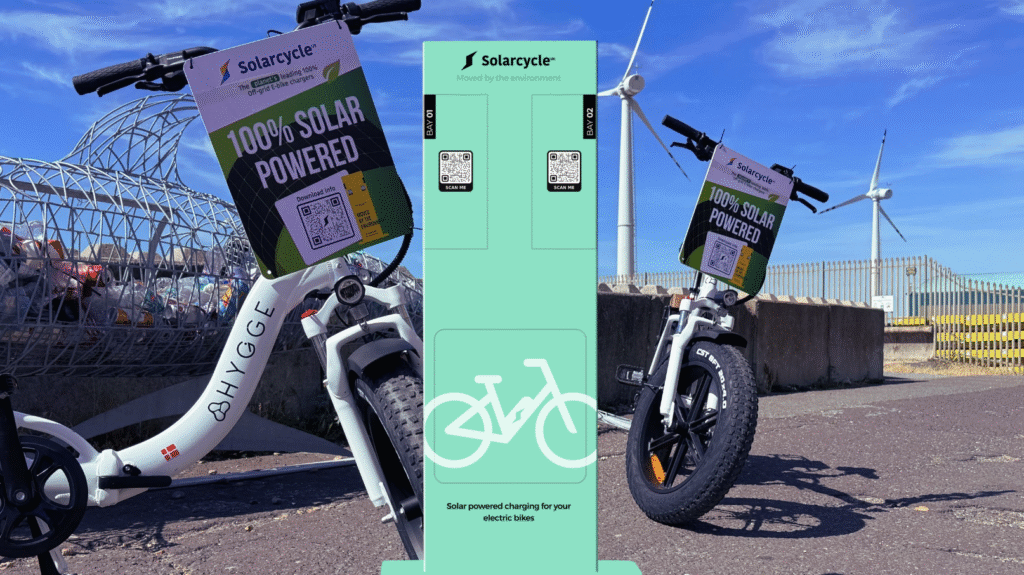
2. Retrofitting some of the existing, under-utlised, cycle shelters with 4x Off-grid solar-powered e-bike charger Totems. We also specified an internal secure SIM & VPN data connection provides private data for reporting.

Results:
The new network of Solar powered E-bike chargers supports multiple brands of e-bikes including the specified Estarli E28.x – mneaing staff and visitors are able to charge up in multiple locations, at any time of night thanks to the available energy stored within the chargers.

Charging per month was configured to suit the local topography, average E-bike battery sizes and likely frequency of use, based on average sessions from across our network. We always over-comensate, to allow for rainy days which we did this time, but the results ar extraordinary. We exceeded the energy requirements by 4× for the project and provided up to 1380km of carbonless travel onsite in the first month. This equaltes to 276x e-bike journeys of 5km. Plus, Remote monitoring, and software updates ensure the chargers are optimal and the lifecycle of components is maximised.

Planning an E-bike Scheme?

The Solarcycle Business Case Kit is packed with the latest facts and tools to help you build an internal brief or apply for funding.

NHS Case Study with Scope 3 Emissions

NHS Case Study with Scope 3 Emissions

[NHS Case study]

Scope 3 Active Travel Data

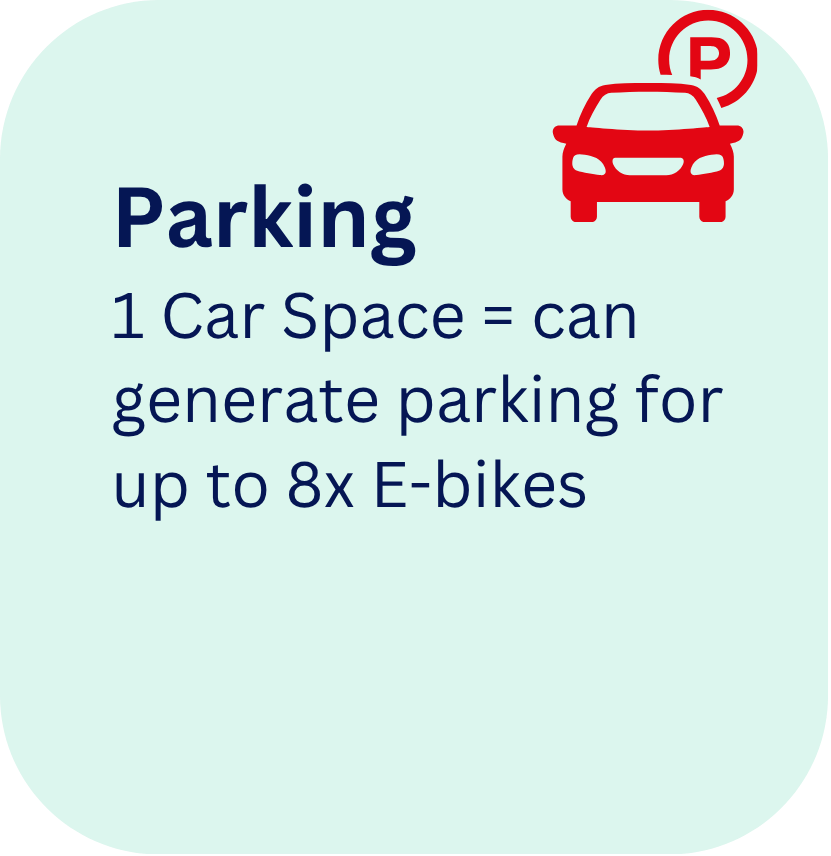
+ 8x extra parking spaces for patients and staff

24th Ocober 2025 – 

BF Energy partner with Solarcycle to enhance NHS cycle shelters with 100% Solar powered e-bike chargers in Oxford.

24th October 2025 BF Energy, the specialist energy consultancy are helping Oxford’s NHS Hospitals acheive green the hospital’s Active Travel and Green Plans. BF Energy specified Solarcycle’s NHS Approved e-bike chargers due to their affordability, proven NHS experience and data reporting features.

The latest E-bike charging facility in Oxford marks the 5th NHS site to join Solarcycle’s expanding network of 100% off-grid E-bike chargers and data is proving it to be a huge success.

BF Energy is the Oxford based energy specialist consultancy who have been advising, specifying and implementing leading sustainable solutions within the NHS for nearly 20 years and have contributed to over 1150 mWh’s being saved across the region. Solarcycle impressed BF Energy with it’s award-winning, off-grid, modular e-bike chargers which offer green, renewable energy for e-bikes, safely installed away from buildings and people.

The collaboration between BF Energy and Solarcycle directly addresses the growing switch to active travel in the UK. This partnership avoids the need for charging E-bikes inside buildings, which has proven problematic with some insurers and landlords. Solarcycle’s accessible e-bike charging, provides businesses and organisations like the NHS, with an innovative, safe, and environmentally sustainable solution. And the detailed CO2 analysis for scope 3 emissions reporting has helped inform both Solarcycle and the hospital of staff needs here and elsewhere in the country.

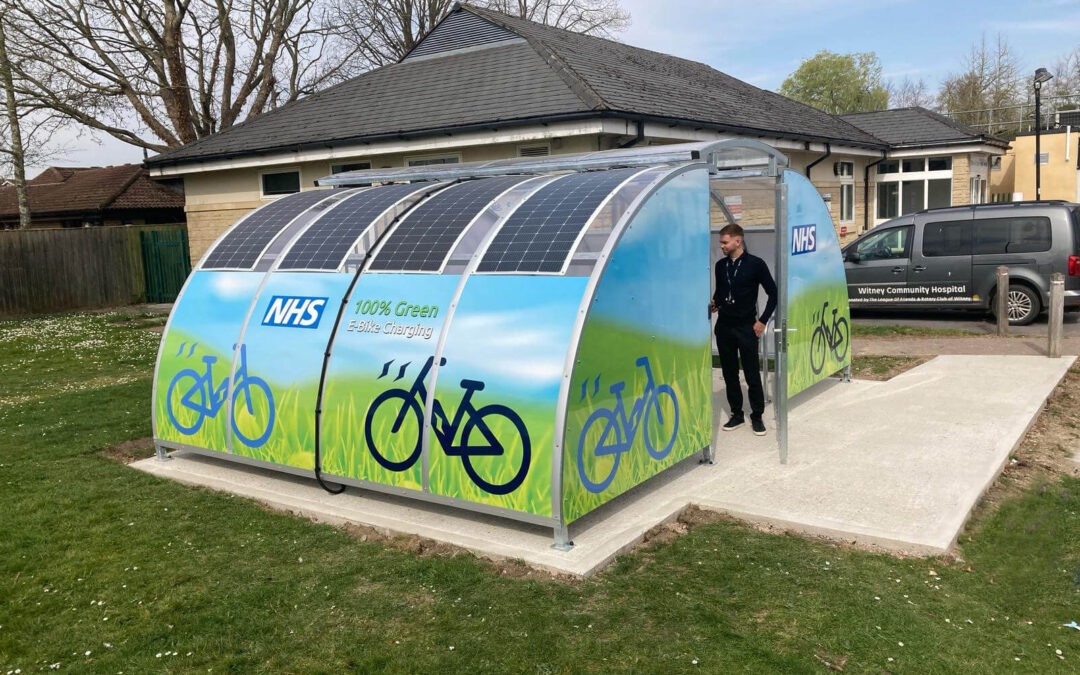
The hospital chose BF Energy to provide the double quarter shelter with Solarcycle’s e-bike charging at NHS Witney Hospital for its immediate environmental benefits and minimal disruption. With a solar-powered and off-grid operation, the charging of e-bikes requires no mains connection or trenchworks and ring-fences energy costs, whilst providing free e-bike charging for all staff.  The collaboration between the two NHS suppliers showcases Solarcycle’s pioneering innovation to evolve as many NHS Cycle shelters affordably into e-bike charging cycle hubs and support businesses like BF Energy and similar organisations in their decarbonisation plans.

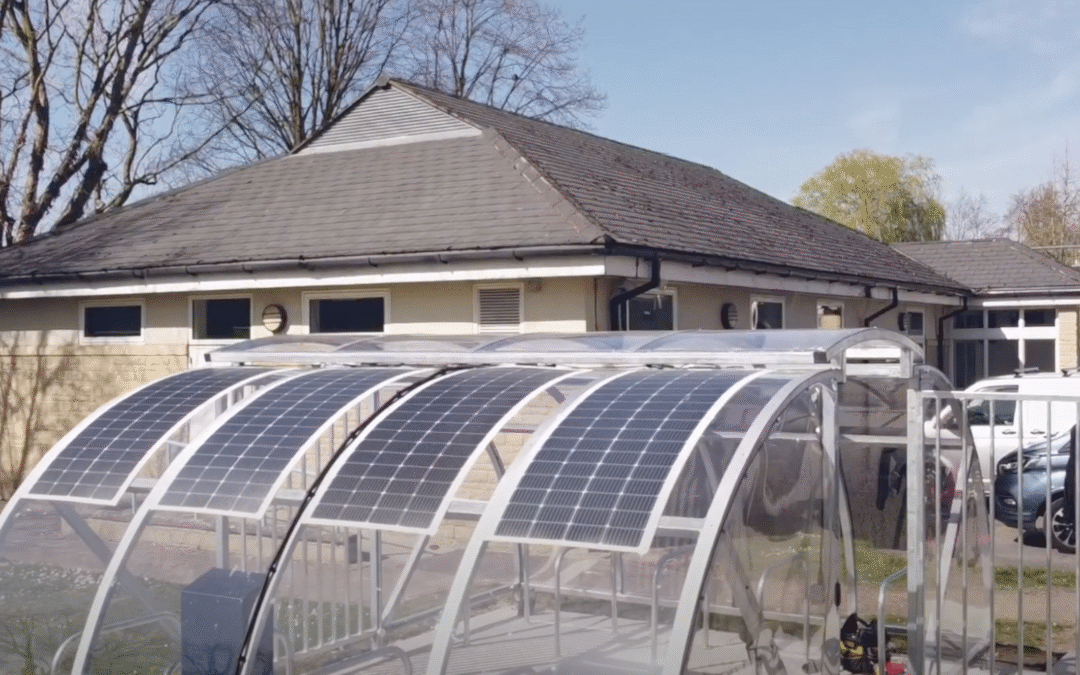
The Solarcycle charger and flexible solar panels seamlessly integrate into the curved shelter to provide secure parking AND green energy for upto 28 standard e-bike charges every week. Using Solarcycle’s software dashboard, this data equates to around 840 miles of carbon emitting transport erased from the roads every week. According to Nimblefins ltd, a typical gasoline car produces around 216g of CO2 per mile in the UK, which means NHS staff at NHS Witney Community hospital are set to eliminate thousands of tons of CO2 this year.

With Solarcycle’s unique Reporting Function tracking the kWh of free, 100% renewable solar energy dispensed, it enables organisations to estimate how many carbonless miles have been generated by the organisation. As the only off-grid solar e-bike charging system with this feature, and numerous customers across UK and Europe, Solarcycle sets itself as the market leader.

Understanding the Benefits of Active Travel

Cost Savings for NHS Staff

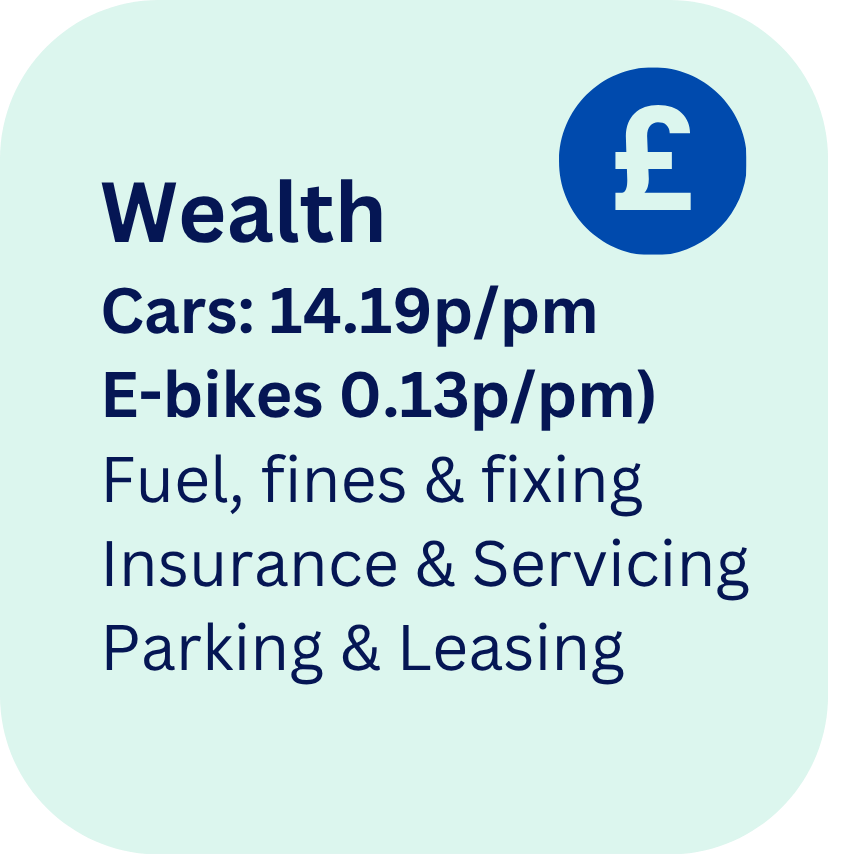
The average cost of maintaining car is around £319 per month in the UK, plus an average price of between £100and £1000 for leasing/purchasing a car. From fuel costs to parking fees and congestion charges, commuting by car can be a significant financial burden for both employees and employers. In contrast, the ongoing costs associated with e-bikes, such as electricity for charging and periodic maintenance, are just 1p per mile. Moreover, initiatives such as the Cycle to Work scheme provide tax incentives and cost-effective financing options for employers looking to facilitate e-bike adoption among their staff. For example, the lease or purchase cost of an e-bike, compared to a car, is as low as £67 per month through organisations such as the “Green Commute Initiative“.

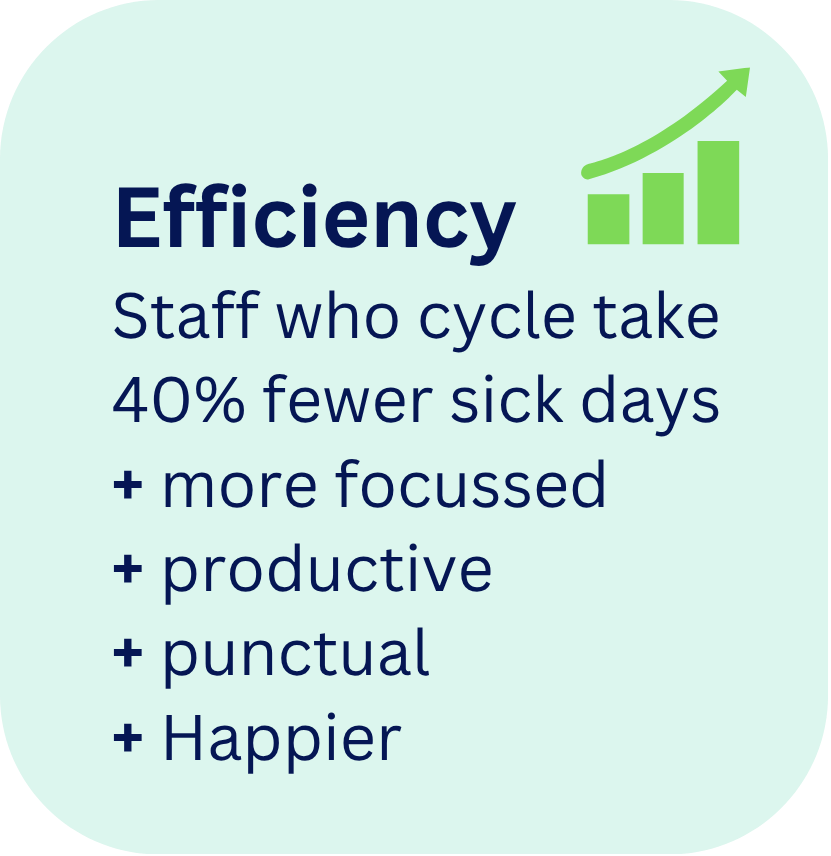
Cost benefits to the business include the well-being impact of active travel with increased productivity and reduced number of sick days. Absenteeism costs employers £258 per day and the average worker takes 4.5 days off a year, compared to 2.4 days for people who cycle. Regular exercise, even in the form of commuting, has been linked to reduced stress levels and better overall health. Encouraging employees to embrace active travel, particularly through e-bikes, can significantly improve their physical and mental well-being.

Meet CO2 Objectives

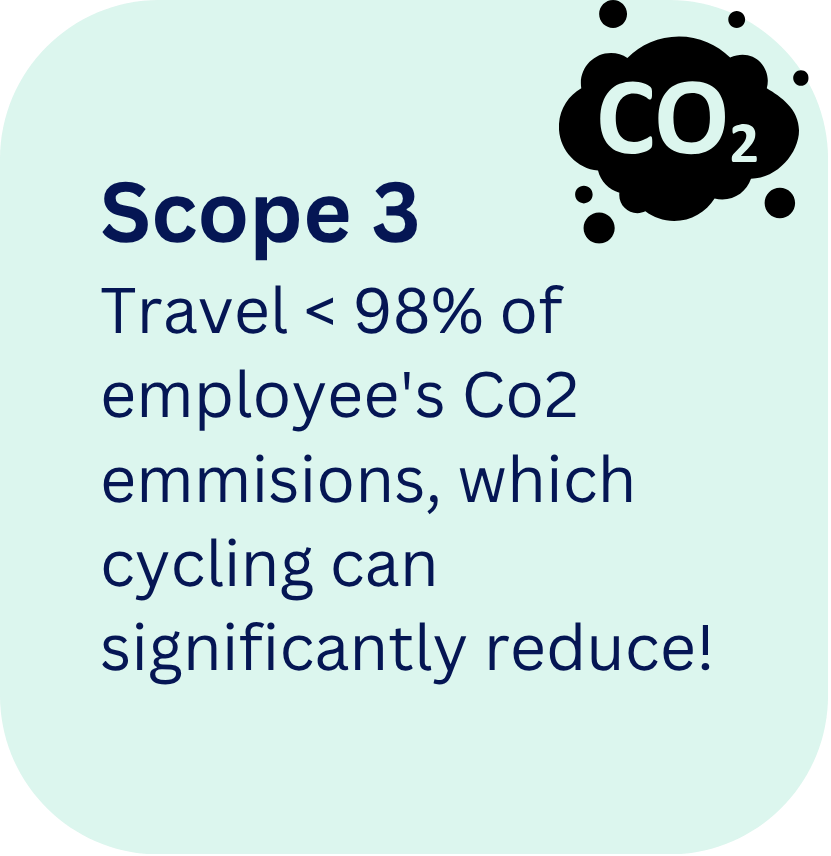
Commuting alone contributes to 98% of an individual’s work-related carbon footprint. As many as three million commuters travel as little as two kilometres to work, making an uptick in active travel one of the most actionable ways to drive down corporate emissions.
Businesses dedicated to creating sustainability reports can now easily prioritise assisting employees in switching to e-biking. This becomes particularly crucial with Scope 3 Contractual Emissions Reporting, which encompasses employee commuting, significantly influencing companies’ bids for new work.

E-bikes, when charged with Solarcycle, are the zero-emission mode of transport, emitting no greenhouse gases during operation. Solarcycle stands out in the market with its unique Reporting Function, which tracks the free-to-use, 100% renewable solar energy discharged in kWh and number of Kilometres travelled with zero emissions. This feature empowers organisations to monitor their progress towards sustainability goals and accurately measure their carbon impact.
Planning an E-bike Scheme?

Use our Business Case Kit packed with the latest facts and tools to help you build an internal brief or apply for funding.

How to specify off-grid e-bike charging at your Workplace

How to specify off-grid e-bike charging at your Workplace

[Downloadable PDF]

How to Specify
Off-Grid E-Bike Charging for Your Workplace

Paul Straford, Solarcycle

By Paul Stratford

October 2025

As UK organisations continue to prioritise sustainability and active travel, the demand for reliable e-bike charging infrastructure has never been higher. For Transport Managers and Facilities teams, the challenge lies not just in providing charging stations, but in doing so safely — without overloading existing grid connections or falling foul of insurers and landlords.

That’s where Solarcycle comes in.

Why Off-Grid Matters

Off-grid solar e-bike charging allows organisations to support active travel initiatives without relying on the existing electrical grid. By using lightweight solar panels, intelligent power management, and long-life energy storage, Solarcycle delivers dependable charging that’s 100% renewable — ideal for campuses, business parks, NHS trusts, and local authorities aiming for Net Zero operations.

What our customers love:

  • Zero grid impact – no costly grid upgrades, trenchworks or disruption

  • True resilience – charging continues during power outages

  • Measurable carbon savings – CO2 reduction and data reporting, with realtime ROI.

  • Rapid deployment – fully modular, relocatable units with zero groundwork.

Understanding Your Requirements

When specifying an off-grid e-bike charging scheme, there are several factors to consider:

  1. User Demand & Load Profile
    Estimate daily usage patterns — how many riders, how many ebikes, and average dwell time. Solarcycle provides demand modelling to optimise your solar and battery sizing.

  2. Site Conditions
    Solar exposure, shading, and local topography influence design. Our modular systems can adapt to rooftops, car parks, or existing cycle hubs.

  3. Security & Accessibility
    Consider security, and inclusive access for all riders. Solarcycle integrates smart access control, 600kg resilient locking, all powered by the same off-grid system.

  4. Monitoring & Reporting
    Public sector procurement increasingly demands transparent performance data. Every Solarcycle installation includes online monitoring dashboards for energy generation, usage, and CO₂ savings.

  5. Compliance & Quality Standards
    UK public facilities must align with clear standards for solar installations and off-grid systems. Solarcycle’s design and build process exceeds every relevant criteria set out in Quality Assurance Off-Grid Solar at Public Facilities, developed in partnership with the World Health Organisation.

You can download that reference document below:

E-bike charging in your workplace ?

Download the “Quality Assurance Off-Grid Solar at Public Facilities” guide to help plan an off-grid installation at your workplace

This guide provides useful terminology, technical definitions, and procurement criteria for facilities teams planning solar-powered infrastructure across campuses and public spaces.

Solarcycle: Setting the Standard

Solarcycle’s newest and largest UK campus installation was developed using these same principles — and demonstrates that sustainable, scalable, and fully autonomous e-bike charging is not just possible, but already here.

Every Solarcycle system is:
✅ Independently verified to meet and exceed the UK public-sector standards
✅ Designed for modular expansion as e-mobility grows
✅ Built using the most advanced, secure and sustainable solar technology
✅ Supported by our dedicated operations and maintenance team

For public bodies and campus managers, this means future-proofed infrastructure that’s genuinely off-grid, fully compliant, and visibly sustainable.


Ready to Get Started?

Solarcycle offers full feasibility studies, concept design, and turnkey delivery for off-grid e-bike charging solutions.

Contact our Technical Team at https://solarcycle.uk/free-survey/ to discuss your project.

E-bike charging in your workplace ?

Download the “Quality Assurance Off-Grid Solar at Public Facilities” guide to help plan an off-grid installation at your workplace

UK E-bike Market Perspective 2026

UK E-bike Market Perspective 2026

[PERSPECTIVE]

The UK E-bike Market 2025-26

Paul Straford, Solarcycle

By Paul Stratford

October 2025

Firstly a warning. I haven’t used AI. Apologies for any grammatical errors – although, it may add an element of “spot the error” for the grammar police, and positive data for everyone else.

This week I shared some data with MP, Fabian Hamilton in Portcullis house, London. Whilst there, I learned that visitors by e-bike are on the increase in Parliament and that, like everyone else I meet, our solar-powered e-bike charging would really solve the problem of charging for them. Fabian, a cycling advocate and co-chair of the All Party Parliamentary Group for Cycling and Walking, told me “Cycling saved my life”. It’s almost certainly why he’s regularly seen aboard his Estarli folding e-bike. Fueled by this positive meeting and so many other encouraging signs within our own data, I felt compelled to share a view on the market, that feels different to mainstream media. Some perepective.

And growth… Ahead of some major updates at Solarcycle, driven by strong customer demand, I’ve assembled some facts behind our successes – from within the Solarcycle e-bike charging network, but also, initially other sources, which are hard to ignore…

The Size of the E-bike market

Continual growth, despite challenging conditions within other industries.
There are few industries I speak with enjoying growth this year. But, according to Future Market Insights, the global micro-mobility charging infrastructure market is forecast to grow from USD 9.1 billion in 2025 to more than USD 62 billion by 2035 — a 22.5% CAGR.
 In the UK, this growth is also strong, with a 21.5% CAGR driven by legislation and rising e-bike usage, in both public and private sectors.

Solarcycle’s own data

As the world’s leading network off-grid, cloud-connected e-bike chargers, we’re seeing strong behavioural shifts.

  • In 2025, we installed a record number of e-bike chargers. This included sites within the NHS, Large Campus‘s and Councils and Leisure / Tourism. 
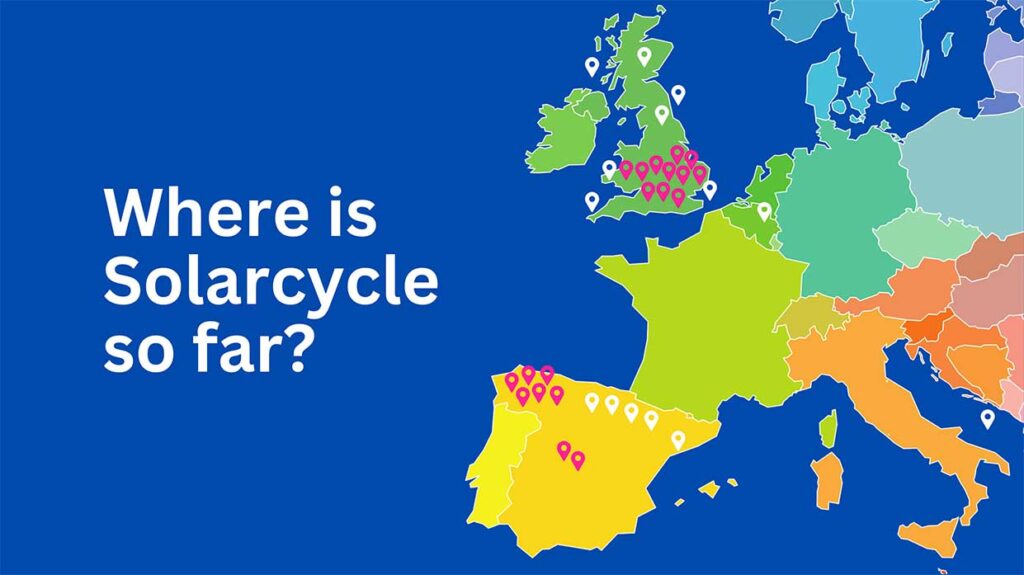
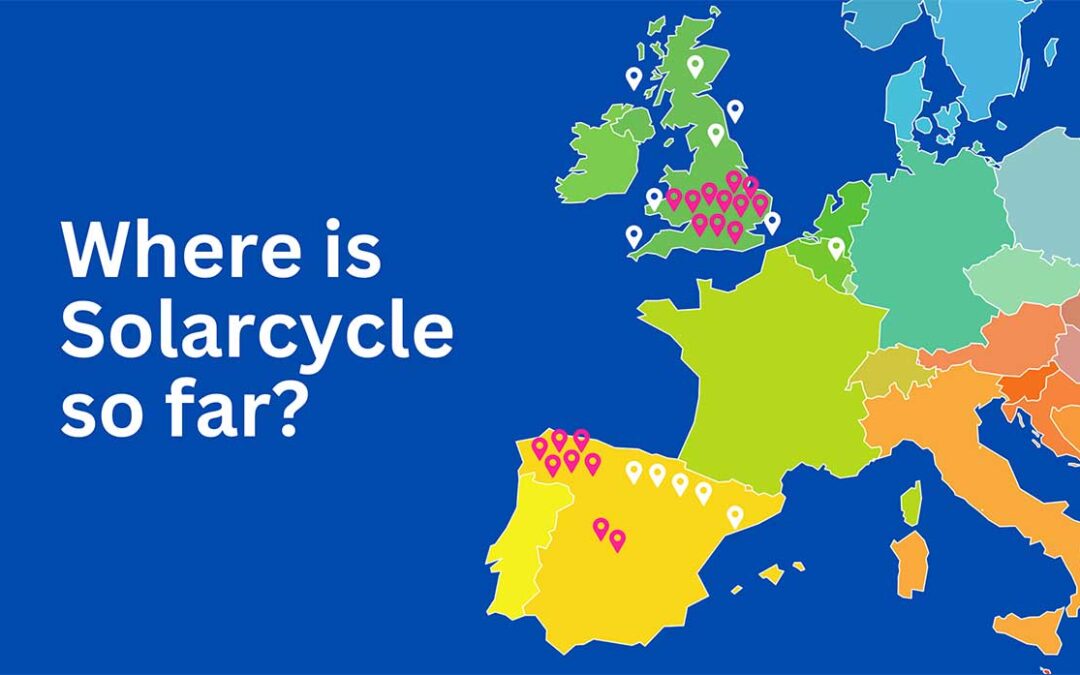
    ⁃ The Solarcycle network of e-bike chargers is now the widest spread in the industry, with coverage across the UK and into Europe.
    ⁃ Our enquiries and Purchase Orders are up. Due I would say, to increasing levels of e-bikes arriving at customer sites with nowehere to top-up on energy.
    ⁃ The number of ‘sessions’ or people ‘regularly charging at a Solarcycle Charger’. This is the main metric our cloud connected chargers provide and it has increased in regularity AND in consistency. Behaviours are definitely changing and providing us with unique patterns and insights.
    ⁃ This year, a whopping increase of over +1200% more energy was dispensed from our network of chargers to e-bike riders. And it’s growing. Through this regular, tracked data, we’ve been able to determine what the average user requires in kWh’s weekly, and how to help future customers predict what they need and design accordingly.

In addition to Solarcycle’s own proprietary data, I wanted to highlight other tangible signs (beyond just new e-bike sales);

  • The volume of e-bikes on the roads and in conversations everywhere, is more visible and vocal than ever, across all generations.
  • The Sales of quality, second-hand e-bikes is now has an actual, verified second-life marketplace thanks to Autotrader’s e-bike category
  • The UK Ride2Work (salary sacrifice) cap was recently lifted, enabling more employees to now make better quality, affordable purchases
  • APPWCG conducted a report this summer, coining the phrase ‘fake e-bikes’, to help everyday people distinguish between safe, regulated e-bikes and modified, illegal e-bikes causing so much negative press. This is a very welcome change to help the media report more accurately.
  • I see more and more high-end features now available on low price e-bikes. This includes integrated batteries, theft protection and automatic gears – which used to be reserved for £4k+ e-bikes.
  • Shared e-bike trips from users of Lime and Forest in the City of London have quadrupled since 2020, now accounting for 1 in 6 total trips into the city

The Transport revolution to save businesses, the planet and people’s wellbeing:

  • A study from the University of Leeds found that e-bikes could cut car emissions in England by up to 50% if they replaced car travel for some journeys, which is approximately 30 million tonnes of CO2 per year.
  • E-bikes produce significantly fewer CO2 emissions than cars, with an average of around 4.9g of CO2 per mile compared to approximately 274g for ICE cars
  • Power those e-bikes with a Solarcycle Charger and that figure goes to zero
  • People who cycle, report 40% less sick days. To businesses, this represents a cost of £100bn+ annually.
  • As of 2024/25, the total cost for mental health services to the NHS in England is £18.99 billion. The UK Chief Medical Officers suggest 150 minutes of moderate-intensity exercise per week, and cycling is an easy way to achieve this, with benefits including reducing stress, anxiety, and depression, and boosting mood and overall wellbeing.

As the founder of Solarcycle, I believe the picture we’re seeing of e-bike behaviour in the UK, is the most proven map of positive growth. And, I welcome conversations with anyone who is looking for a clear (and positive!) perspective on the growth of E-bikes.

A bit about Solarcycle’s award winning off-grid e-bike chargers…

With the right product, every problem fits.

With enquiries still flooding in, I feel compelled to share some of the positivity. I believe it’s because we proved e-bikes powered by solar is viable in the UK, using our own empirical data. We developed a product around the needs of our users – the NHS, councils, and campus’s – always with affordability in mind. Solarcycle has never been a vanity project.

  • Safer – Install anywhere, away from buildings
  • Affordable – no groundworks
  • Versatile – fit’s all bike brands
  • Award winning and NHS Approved
  • Greener – CO2 Data Reporting included

Our success has also extended beyond the UK – with demand from many areas of Europe. This demonstrates we have a world leading product, saving the same problems worldwide.

Solarcycle is just one piece of the puzzle though. All this demand we experience, reflects the countless conversations I have with facilities teams, indicating more e-bikes arriving in more workplaces and city centres. So, helmets off to you. All you innovative, radical riders. I hope we look back in ten years’ time and feel proud to have played a part of the same shift in culture …

Please do contact me at Solarcycle if you want any more info…

Planning an E-bike Scheme?

Use our Business Case Kit packed with the latest facts and tools to help you build an internal brief or apply for funding.